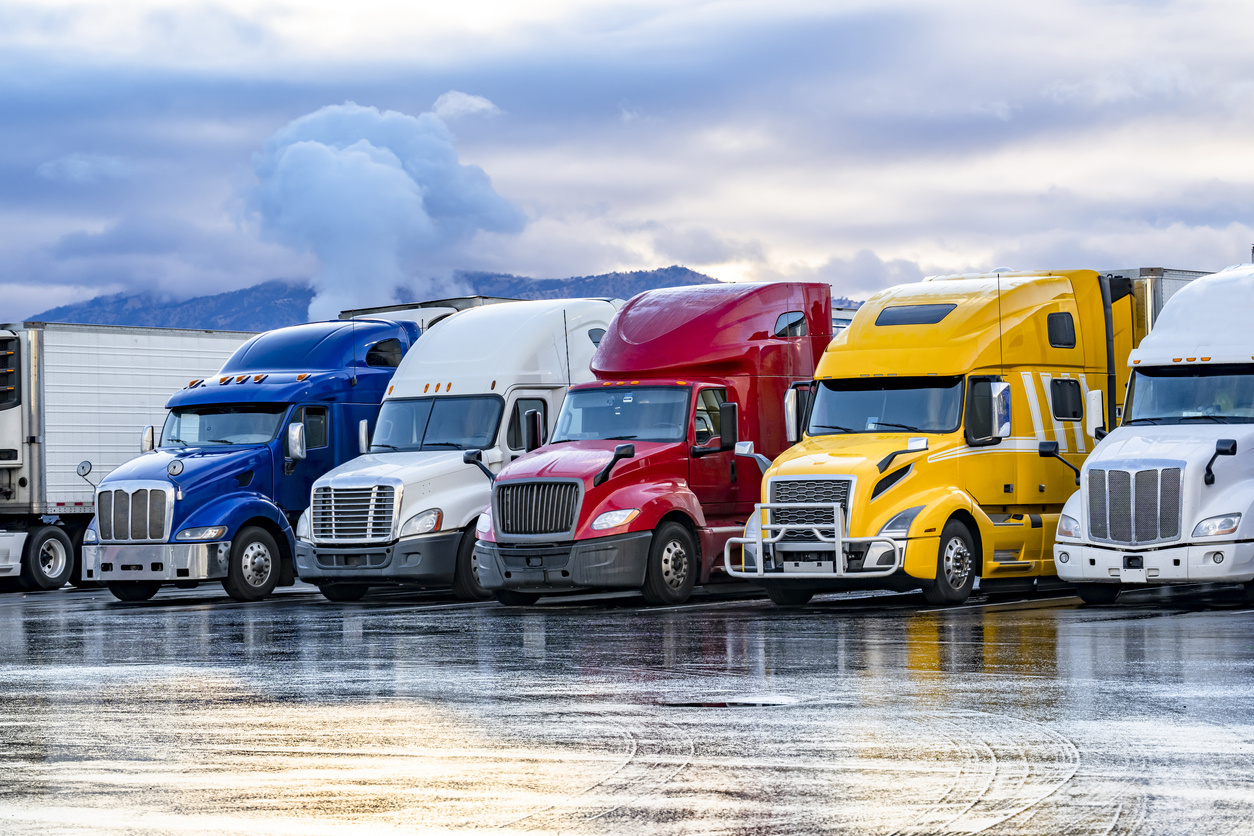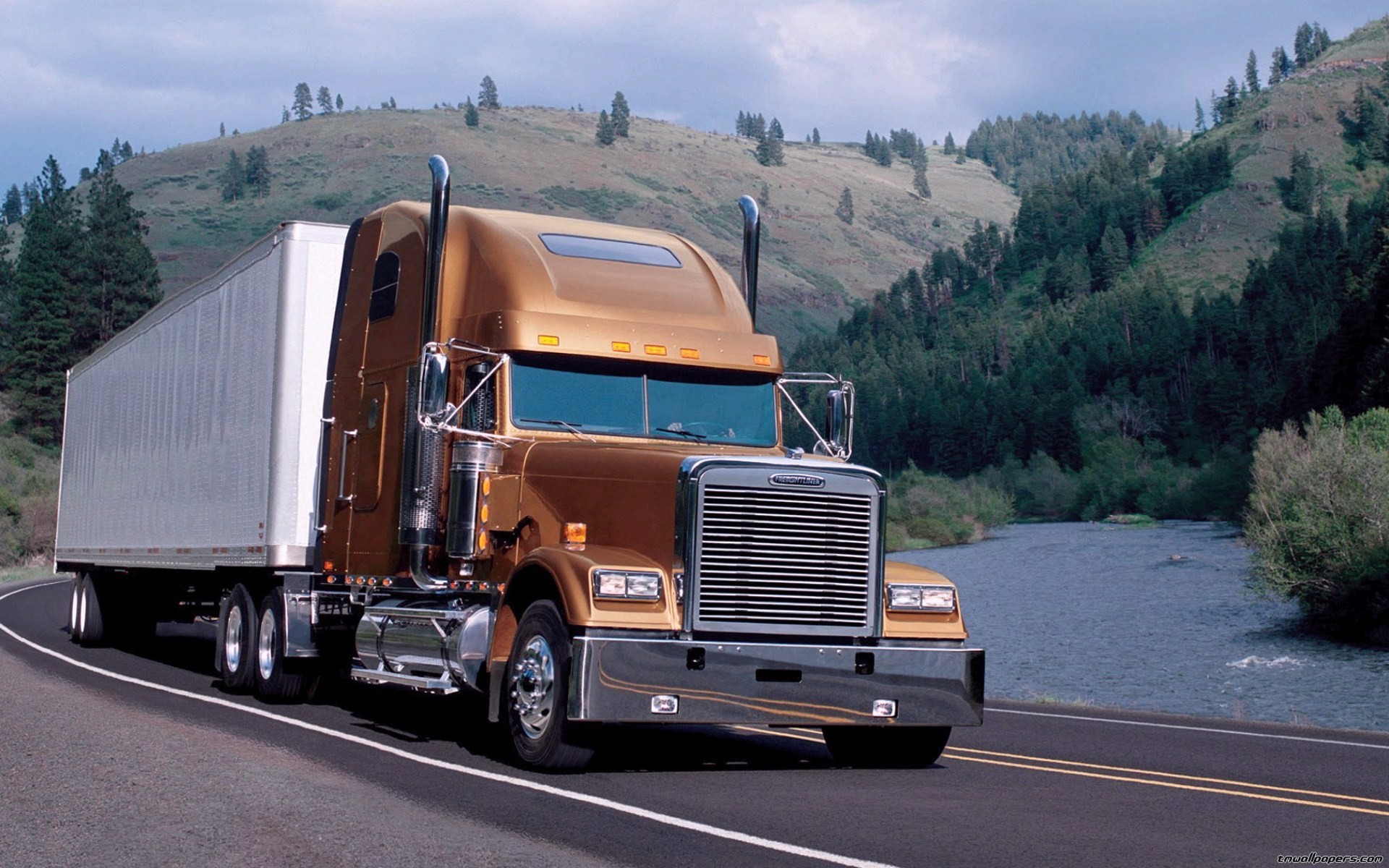
In the complex dance of modern commerce, trucks are the unsung heroes, tirelessly transporting goods across vast distances. But navigating city streets and highways isn’t as simple as hopping in the driver’s seat and following a GPS. Regulations, restrictions, and physical limitations necessitate a strategic approach, making truck route maps an indispensable tool for drivers, dispatchers, and logistics planners alike. Understanding and effectively using these maps is crucial for efficiency, safety, and compliance, saving time, money, and potential headaches.
What is a Truck Route Map?
At its core, a truck route map is a specialized navigational tool designed specifically for commercial vehicles. Unlike standard road maps that cater to general traffic, truck route maps highlight designated routes suitable for large trucks, considering factors such as:
- Weight Restrictions: Bridges and roadways often have weight limits. Truck route maps indicate routes that can accommodate heavy loads.
- Height Restrictions: Overpasses, tunnels, and low-hanging wires can pose significant hazards. Maps clearly show routes with sufficient vertical clearance.
- Width Restrictions: Narrow roads and tight turns can be challenging, even impossible, for large trucks. Maps prioritize wider roads and manageable intersections.
- Hazardous Material (Hazmat) Restrictions: Some routes prohibit the transport of hazardous materials due to safety concerns. Truck route maps clearly mark these restrictions.
- Time-of-Day Restrictions: Some cities have restrictions on truck traffic during certain hours, particularly in residential areas. Maps reflect these time-based regulations.
- Local Ordinances: Each municipality has its own specific rules regarding truck traffic, which can include restrictions on idling, engine braking, and noise levels. Maps incorporate these local regulations.
The Importance of Truck Route Maps:
The reliance on truck route maps is not merely a matter of convenience; it’s a fundamental aspect of responsible and compliant trucking. Here’s why they are so important:
- Safety: By guiding trucks along appropriate routes, these maps minimize the risk of accidents caused by height, weight, or width restrictions. They also help avoid routes with sharp turns, steep grades, or congested areas that can increase the likelihood of collisions.
- Compliance: Ignoring truck route restrictions can lead to hefty fines and penalties. Using a truck route map ensures adherence to local, state, and federal regulations, protecting drivers and companies from legal repercussions.
- Efficiency: Planning a route with a truck route map allows drivers to choose the most direct and efficient path, avoiding unnecessary detours and delays. This translates to faster delivery times and reduced fuel consumption.
- Cost Savings: By preventing accidents, fines, and delays, truck route maps contribute to significant cost savings for trucking companies. They also help optimize fuel efficiency and minimize wear and tear on vehicles.
- Community Relations: Respecting local regulations and avoiding restricted areas helps maintain positive relationships with communities. This reduces complaints about noise, traffic congestion, and damage to infrastructure.
Types of Truck Route Maps:
Truck route maps come in various forms, each with its own advantages and disadvantages:
- Paper Maps: These are traditional maps that provide a comprehensive overview of truck routes in a specific region. They are reliable in areas with limited cellular service, but require manual route planning and can be cumbersome to use.
- GPS Navigation Systems: Dedicated truck GPS systems are equipped with pre-loaded truck route maps and can provide real-time navigation, voice guidance, and traffic updates. They are user-friendly and efficient, but rely on GPS signal and can be expensive.
- Mobile Apps: Smartphone apps offer a convenient and affordable way to access truck route maps. They often include features like route planning, traffic alerts, and fuel price comparisons. However, their accuracy can vary depending on the app and the quality of the map data.
- Online Mapping Tools: Web-based mapping platforms provide access to truck route maps and allow users to plan routes, calculate distances, and estimate travel times. They are useful for pre-trip planning but require an internet connection.
- Software Integration: Some logistics and fleet management software integrates truck routing capabilities, allowing dispatchers to plan and optimize routes based on truck-specific restrictions and delivery schedules. This is often used for route optimization and cost reduction.
Choosing the Right Truck Route Map:
The best type of truck route map depends on individual needs and preferences. Consider the following factors when making a decision:
- Coverage Area: Ensure the map covers the areas you frequently travel through.
- Accuracy: Look for maps that are regularly updated with the latest road information and restrictions.
- Ease of Use: Choose a map that is intuitive and easy to navigate.
- Features: Consider the features that are most important to you, such as real-time traffic updates, voice guidance, or route planning tools.
- Cost: Compare the cost of different map options and choose one that fits your budget.
Using a Truck Route Map Effectively:
Simply having a truck route map is not enough; it’s crucial to use it effectively. Here are some tips for maximizing its benefits:
- Pre-Trip Planning: Always plan your route in advance using a truck route map. Identify any potential restrictions or hazards along the way and choose alternative routes if necessary.
- Stay Updated: Truck route regulations can change frequently. Ensure your map is up-to-date with the latest information.
- Verify Restrictions: Always verify restrictions with local authorities or signage before proceeding through an unfamiliar area.
- Use Common Sense: Don’t rely solely on the map. Use your own judgment and observation skills to assess road conditions and potential hazards.
- Consider Weather Conditions: Weather can significantly impact road conditions. Adjust your route accordingly based on weather forecasts and road closures.
- Be Aware of Detours: Unexpected detours can occur due to construction or accidents. Be prepared to reroute and consult your map to find alternative truck-approved routes.
- Combine Technology with Traditional Methods: Even with advanced GPS systems, keeping a paper map as a backup can be invaluable in areas with poor signal.
Challenges and Future Trends:
Despite their importance, truck route maps face several challenges:
- Data Accuracy: Maintaining accurate and up-to-date truck route data is a constant challenge, as road conditions and regulations change frequently.
- Integration with Technology: Integrating truck route data with advanced technologies like autonomous driving and connected vehicles requires sophisticated mapping and sensor technologies.
- Standardization: A lack of standardization in truck route mapping across different regions can create confusion and inconsistencies for drivers.
Looking ahead, the future of truck route mapping is likely to be shaped by several trends:
- Real-Time Data: Real-time traffic and road condition data will become increasingly integrated into truck route maps, allowing for dynamic route optimization and hazard avoidance.
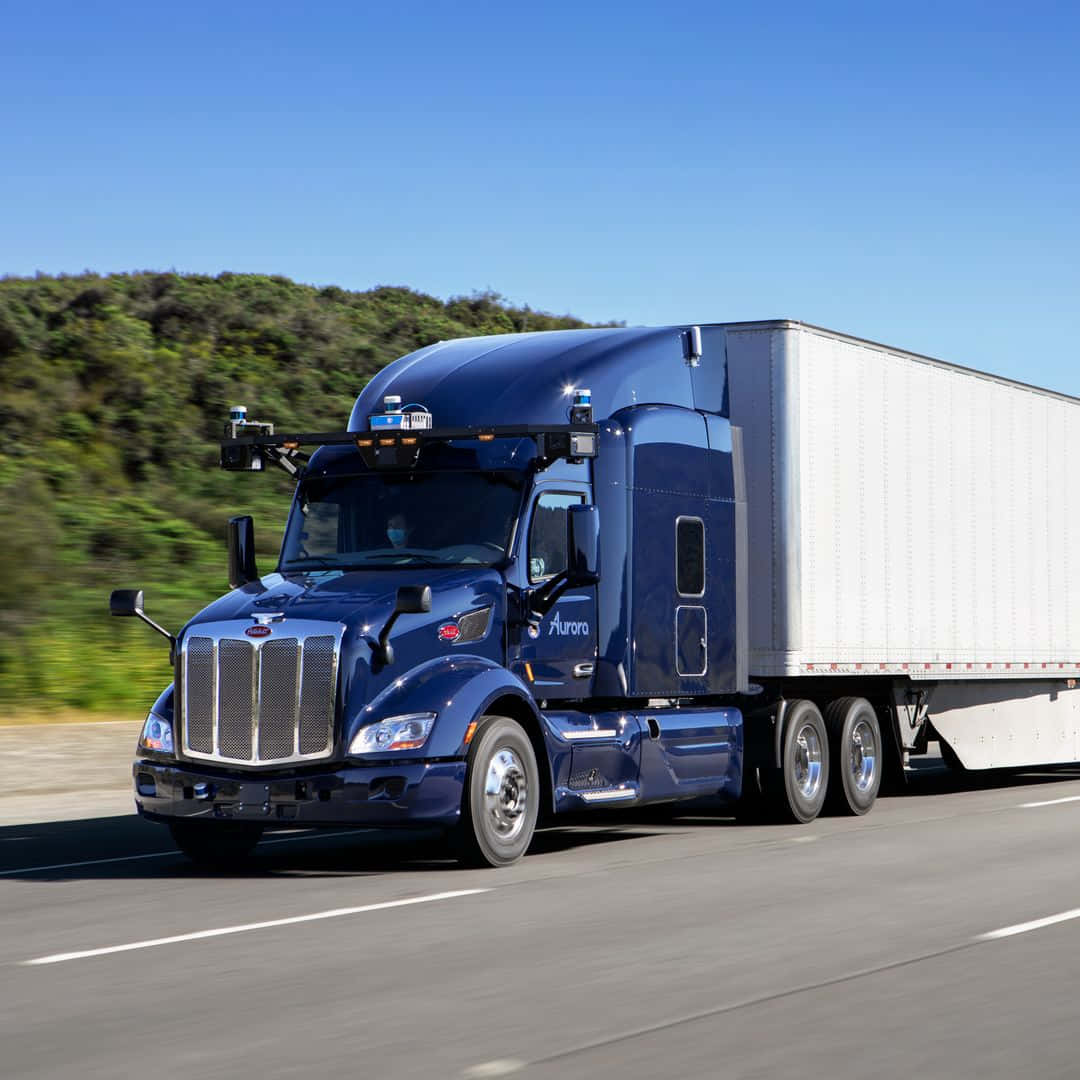
- Autonomous Driving: Truck route maps will play a critical role in enabling autonomous trucking, providing the necessary data for vehicles to navigate safely and efficiently.
- Connected Vehicles: Connected vehicle technologies will enable trucks to share real-time data about road conditions and restrictions, improving the accuracy and reliability of truck route maps.
- AI-Powered Routing: Artificial intelligence (AI) will be used to analyze vast amounts of data and optimize truck routes based on factors such as fuel consumption, delivery schedules, and environmental impact.
Conclusion:
Truck route maps are more than just lines on a page or pixels on a screen; they are essential tools for safe, compliant, and efficient trucking operations. By understanding the importance of these maps, choosing the right type for your needs, and using them effectively, drivers and companies can navigate the complexities of modern transportation with confidence, saving time, money, and ultimately, lives. As technology continues to evolve, truck route maps will become even more sophisticated and integrated, paving the way for a safer and more sustainable future for the trucking industry. Investing in proper truck route mapping is not just a good practice; it’s a necessity for success in the demanding world of commercial transportation.