The Gospels paint a vivid picture of Jesus’ life, ministry, death, and resurrection. Yet, to truly grasp the significance of these events, we must understand the landscape in which they unfolded. Examining a map of Israel at the time of Jesus, often referred to as Judea, offers a tangible connection to the historical and geographical context of the New Testament, revealing a land both familiar and foreign to modern eyes. This article will delve into the key geographical features, political divisions, and significant locations that shaped the life and times of Jesus of Nazareth.
Political Landscape: A Patchwork of Power Under Roman Rule
The map of Israel during the Roman era, specifically the early 1st century CE, reveals a complex political landscape. While the region was under Roman domination, the Romans did not rule with a single, iron fist. Instead, they employed a system of client kings and prefects to maintain control, a system that significantly impacted the lives of the Jewish people.
-
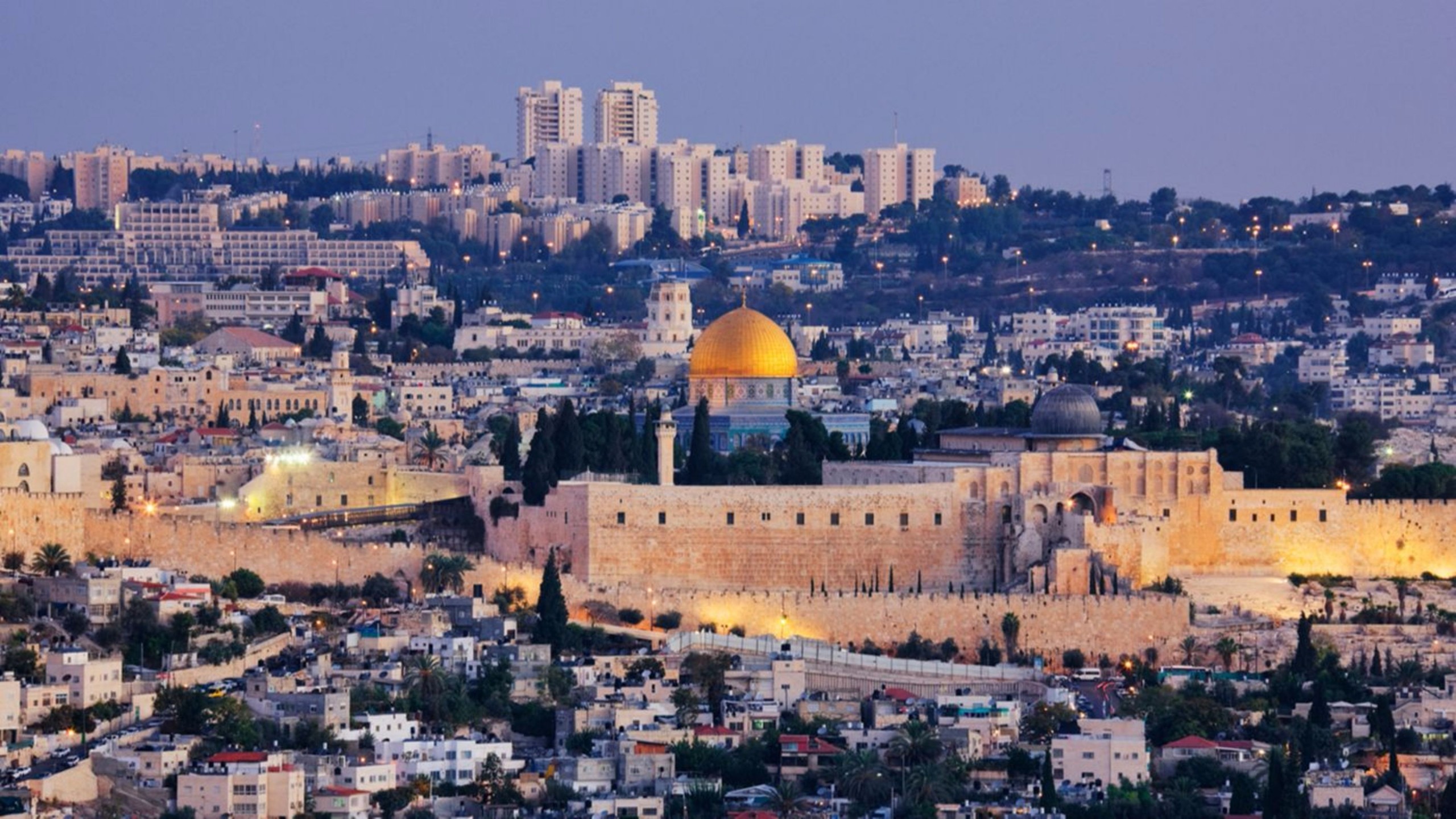
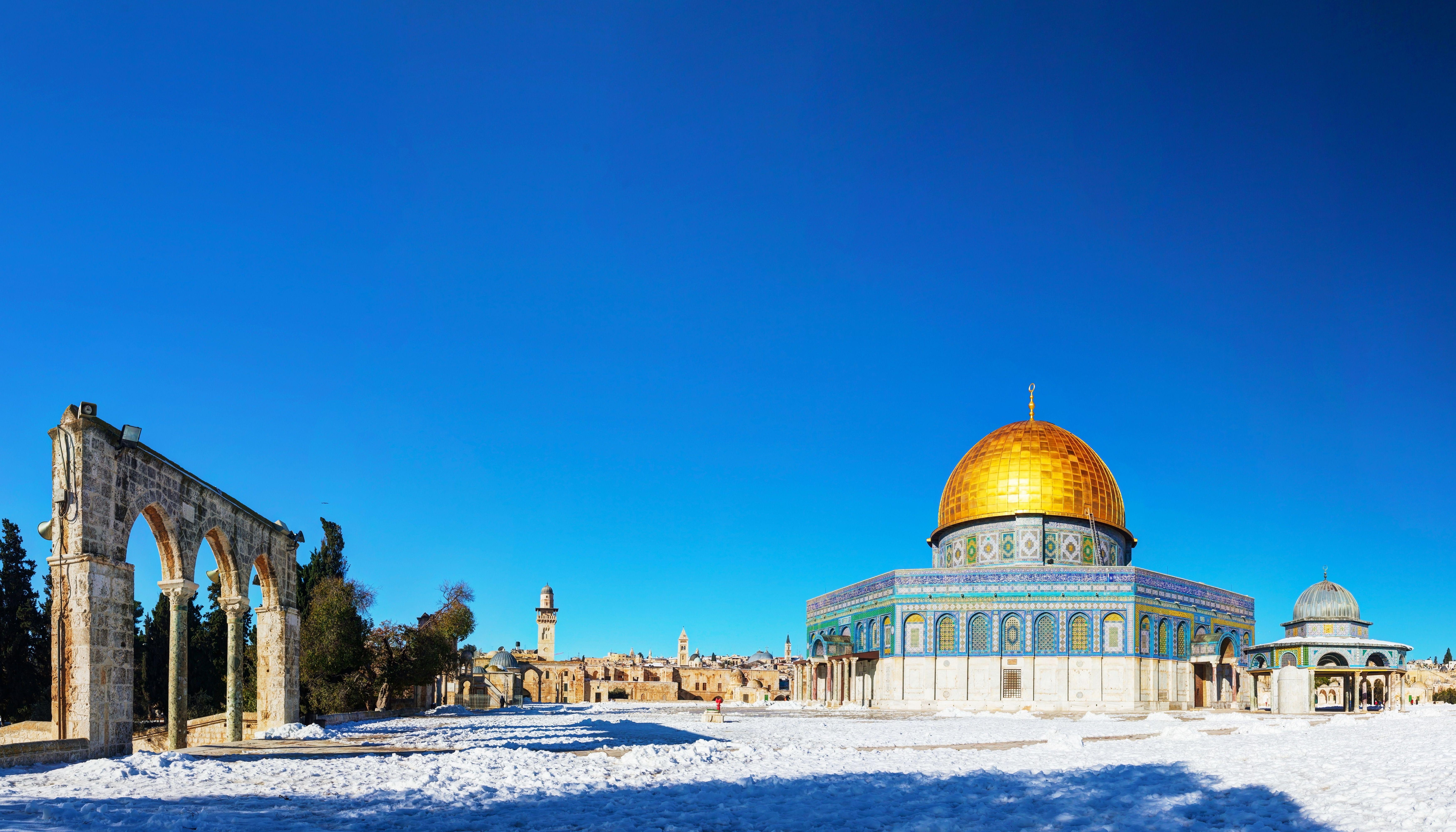
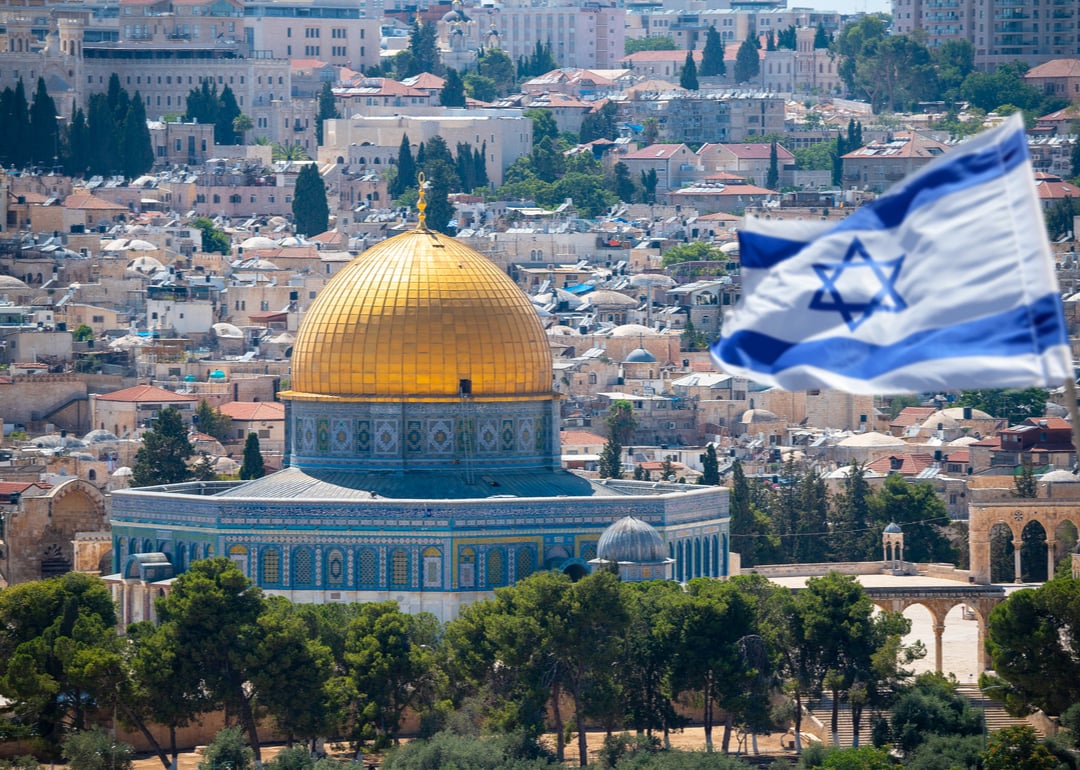
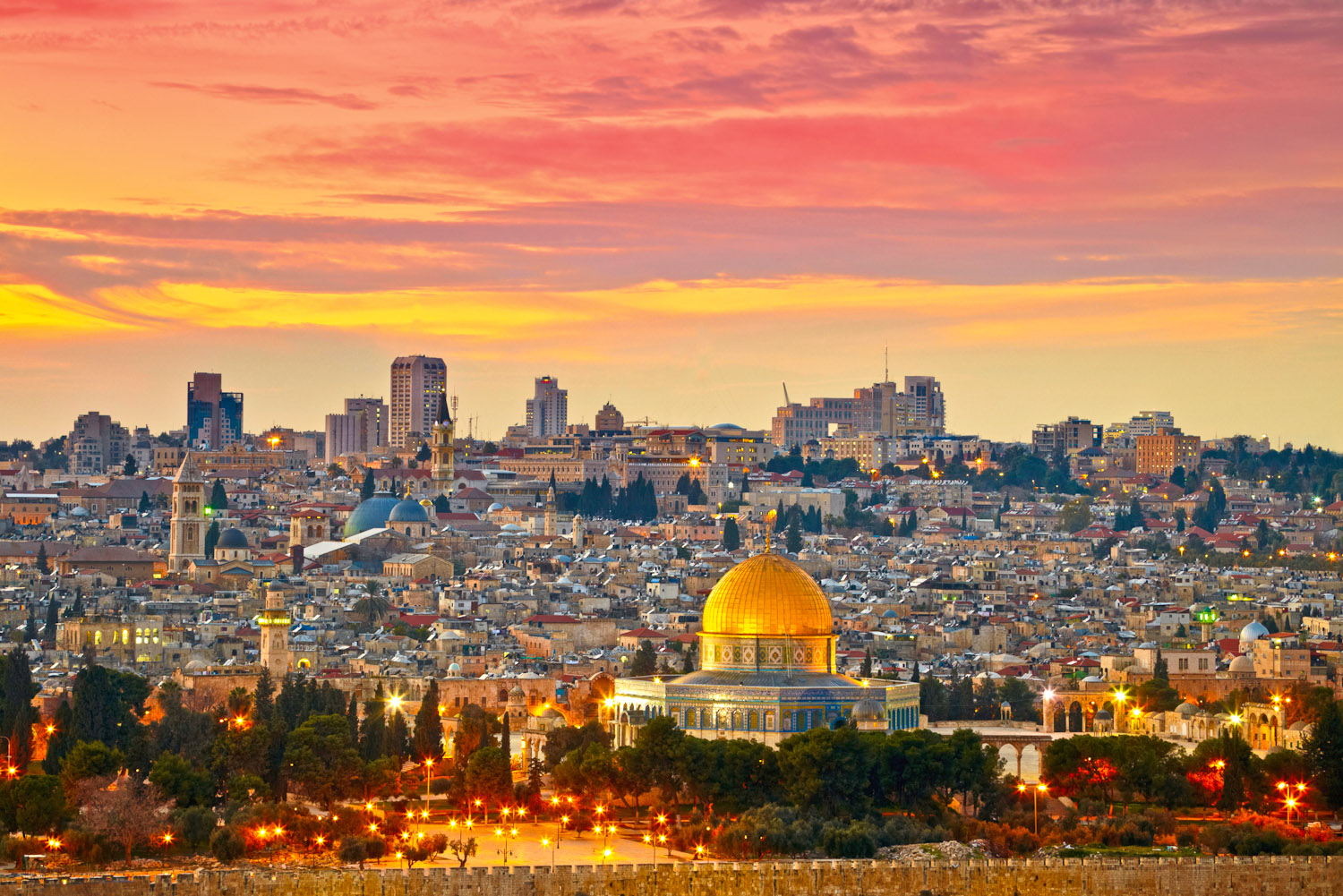
Judea: At the heart of the region lay Judea, the historical homeland of the Jewish people. Initially ruled by Herod the Great, a ruthless but effective king appointed by the Romans, Judea was later divided into smaller districts. In the time of Jesus, Judea was governed by a Roman prefect, Pontius Pilate, who held the ultimate authority. Jerusalem, the spiritual and political center of Judaism, was located within Judea and served as the seat of Roman power. The Temple Mount, the site of the Second Temple, held immense religious significance and played a central role in the events leading up to Jesus’ crucifixion.
-
Galilee: To the north of Judea lay Galilee, a region known for its fertile land and its diverse population. Unlike Judea, which was predominantly Jewish, Galilee had a significant Gentile presence. During Jesus’ lifetime, Galilee was ruled by Herod Antipas, one of Herod the Great’s sons. He was known for his building projects and his involvement in the execution of John the Baptist. Galilee was where Jesus spent most of his life, centered around the Sea of Galilee and the towns along its shores.
-
Samaria: Located between Judea and Galilee, Samaria was home to the Samaritans, a group with a distinct religious tradition that differed from mainstream Judaism. Relations between Jews and Samaritans were often strained, and this tension is reflected in the New Testament, most notably in the parable of the Good Samaritan. While not a separate political entity, Samaria’s unique identity and geographical location played a significant role in shaping the social and religious landscape of the time.
-
Perea and the Decapolis: East of the Jordan River lay Perea, another territory ruled by Herod Antipas, and the Decapolis, a league of ten largely Hellenistic (Greek-influenced) cities. These regions were outside the direct control of the Judean authorities and presented a different cultural and religious environment. Jesus’ ministry extended into these regions, demonstrating the broader reach of his message.
Geographical Features: A Land of Varied Terrain
The physical geography of Israel at the time of Jesus played a crucial role in shaping the lives of its inhabitants and influencing the events described in the Gospels. The landscape is characterized by its diversity, ranging from fertile plains to rugged mountains, from freshwater lakes to arid deserts.
-
The Coastal Plain: A narrow strip of land along the Mediterranean Sea, the coastal plain was a vital trade route connecting Egypt and Syria. Cities like Caesarea, built by Herod the Great, thrived on commerce and served as important ports for Roman administration. This area was heavily influenced by Roman culture and represented a different world compared to the more traditional Jewish communities in the interior.
-
The Central Hill Country: Running north to south, the central hill country formed the backbone of the land. This region, encompassing Judea, Samaria, and Galilee, was characterized by rolling hills, terraced agriculture, and numerous small villages. Jerusalem, perched on the Judean hills, held a strategic position overlooking the surrounding countryside. The rugged terrain provided natural defenses and fostered a sense of isolation and independence among the inhabitants.
-
The Jordan River Valley: Descending sharply eastwards from the central hill country, the Jordan River Valley is a deep rift valley that stretches from the Sea of Galilee in the north to the Dead Sea in the south. The Jordan River, a vital source of water, flowed through this valley, creating fertile oases in an otherwise arid landscape. John the Baptist’s ministry took place along the Jordan River, emphasizing the importance of purification and repentance in preparation for the coming Messiah.
-
The Sea of Galilee: Located in northern Galilee, the Sea of Galilee (also known as Lake Tiberias or Lake Gennesaret) was a freshwater lake that played a central role in Jesus’ ministry. Numerous towns and villages lined its shores, and the lake provided a vital source of food and livelihood for the local population. Many of Jesus’ miracles and teachings took place around the Sea of Galilee, including the calming of the storm and the feeding of the five thousand.
-
The Dead Sea: The lowest point on earth, the Dead Sea is a hypersaline lake located in the southern part of the Jordan River Valley. Its high salt content prevents any marine life, hence its name. The Dead Sea’s harsh environment and remote location made it a place of refuge for hermits and religious communities, as evidenced by the discovery of the Dead Sea Scrolls near Qumran.
-
The Negev Desert: Stretching southwards from Judea, the Negev Desert is a vast and arid region characterized by sparse vegetation and extreme temperatures. This harsh environment presented challenges to human habitation, but it also provided a sense of isolation and solitude.
Key Locations: Walking in the Footsteps of Jesus
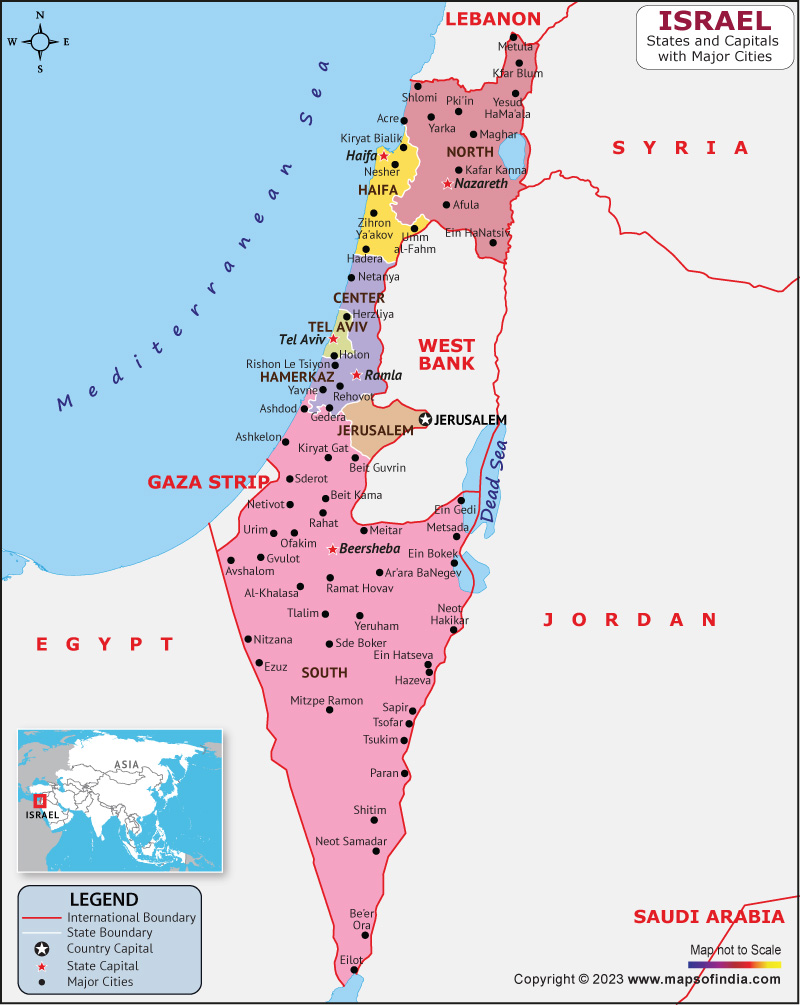
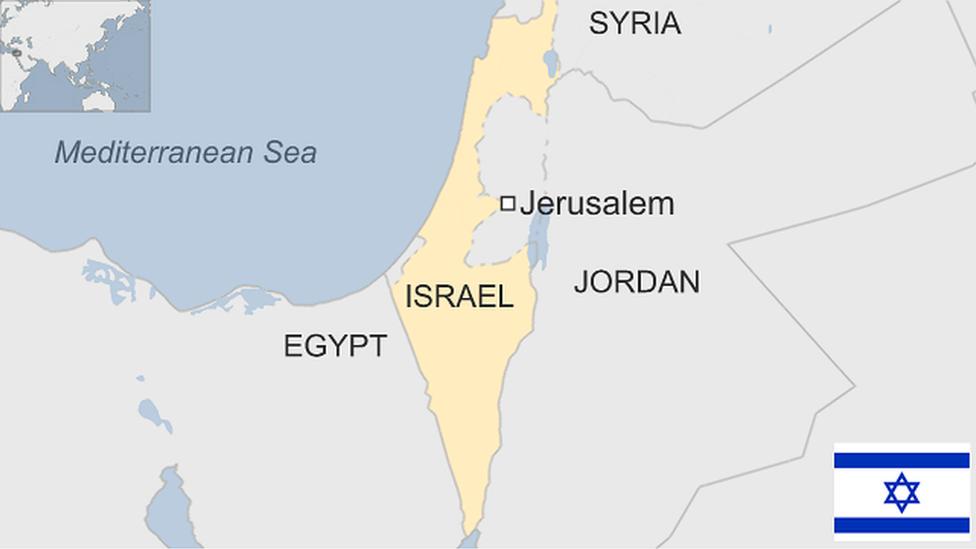
Mapping the key locations mentioned in the Gospels allows us to visualize Jesus’ journeys and better understand the context of his teachings and miracles.
-
Bethlehem: The birthplace of Jesus, located in Judea, just south of Jerusalem. The significance of Bethlehem lies in its connection to the Davidic lineage, as it was the hometown of King David.
-
Nazareth: The hometown of Jesus, located in Galilee. Jesus grew up in Nazareth and spent much of his early life there.
-
Capernaum: A fishing village on the shores of the Sea of Galilee, Capernaum served as Jesus’ base of operations during his Galilean ministry. He performed many miracles in Capernaum and taught in its synagogue.
-
Jerusalem: The spiritual and political center of Judaism, Jerusalem held immense significance for Jesus. He visited Jerusalem frequently, especially during religious festivals. The Last Supper took place in Jerusalem, and Jesus was crucified, buried, and resurrected within its walls. The Temple Mount, located in Jerusalem, was the focal point of Jewish worship and the site of many confrontations between Jesus and the religious authorities.
-
Bethany: A village located near Jerusalem, Bethany was the home of Mary, Martha, and Lazarus, close friends of Jesus. The raising of Lazarus from the dead took place in Bethany, a pivotal event that foreshadowed Jesus’ own resurrection.
-
Jericho: An ancient city located near the Jordan River, Jericho played a significant role in Jewish history. Jesus passed through Jericho on his way to Jerusalem, and he healed a blind man near the city.
Impact on the Gospel Narratives
Understanding the geography and political landscape of Israel at the time of Jesus is crucial for interpreting the Gospel narratives accurately. The tensions between Jews and Samaritans, the rivalry between Galilee and Judea, the influence of Roman rule, and the diverse physical environment all contribute to the richness and complexity of the biblical accounts.
For example, the parable of the Good Samaritan gains added depth when we understand the historical animosity between Jews and Samaritans. The fact that the Samaritan, a member of a despised group, showed compassion to the injured Jew highlights the radical nature of Jesus’ teaching on love and forgiveness.
Similarly, the political tensions between Herod Antipas and John the Baptist, the social and religious differences between Galilee and Judea, and the strategic importance of locations like Jerusalem all contribute to a more nuanced understanding of the events described in the Gospels.
Conclusion: A Living Map of Faith
By exploring a map of Israel at the time of Jesus, we can move beyond a purely textual understanding of the Gospels and gain a deeper appreciation for the historical and geographical context of Jesus’ life and ministry. The political divisions, geographical features, and key locations all played a crucial role in shaping the events described in the New Testament. This understanding enriches our reading of the Gospels, bringing the stories to life and allowing us to walk, in our minds, in the footsteps of Jesus. The map becomes more than just a collection of lines and names; it becomes a living testament to the faith that originated in this land and continues to inspire millions around the world. Examining the land of Jesus allows us to connect with the historical roots of Christianity and appreciate the enduring relevance of his message in our own lives.