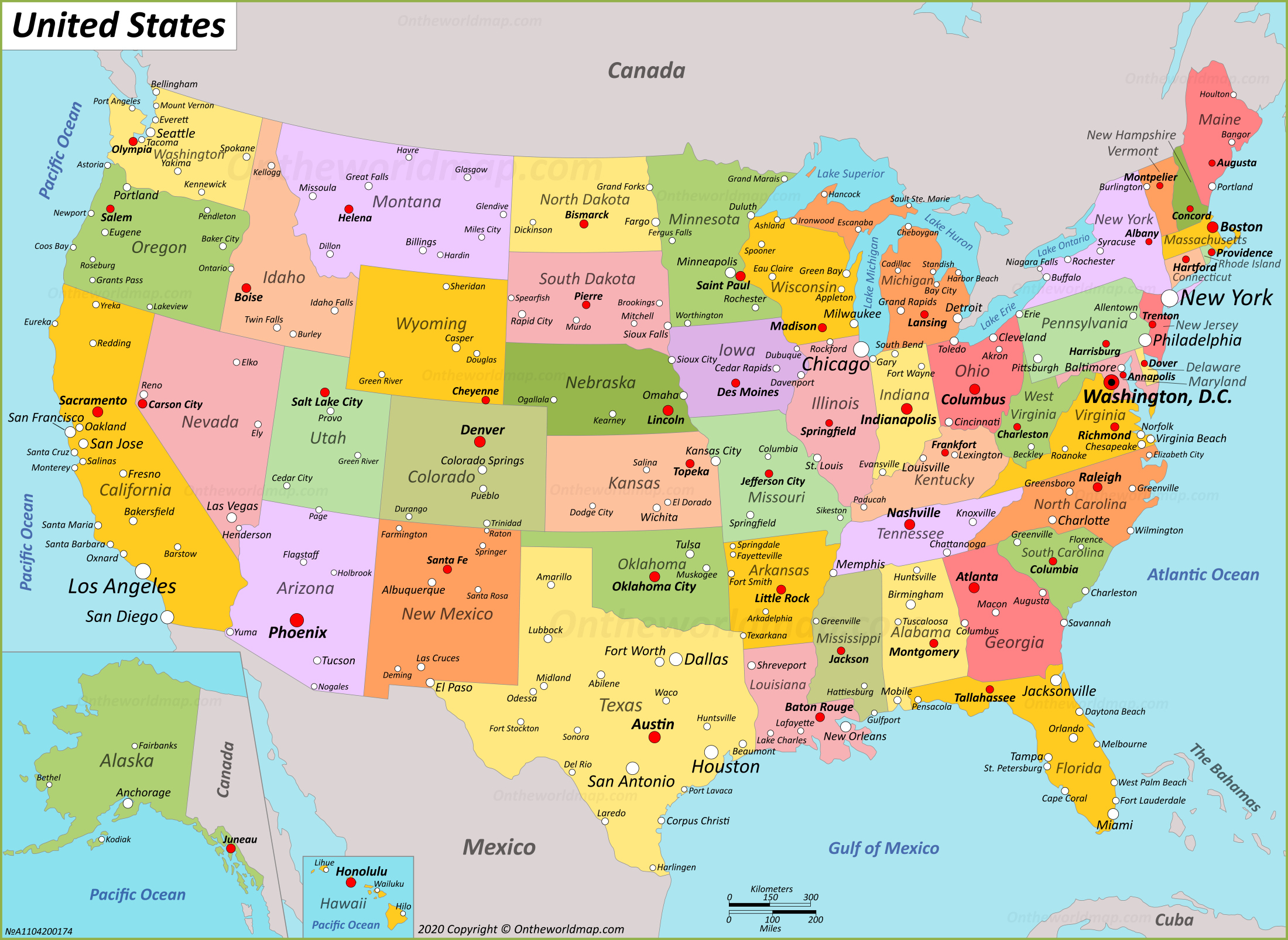
Missoula, Montana, nestled in the heart of the Rocky Mountains, is more than just a pretty picture. It’s a vibrant city brimming with culture, outdoor adventure, and a distinct sense of community. Understanding its geography and layout is crucial to experiencing all that Missoula has to offer. This article serves as your comprehensive map to navigating Missoula, covering its key neighborhoods, landmarks, natural features, transportation options, and even offering tips on finding your way around.
The Lay of the Land: A Valley of Confluence
Missoula’s unique character is inextricably linked to its geography. Situated in the valley where the Clark Fork, Bitterroot, and Blackfoot Rivers converge, the city is naturally defined by these waterways. This confluence not only provides stunning scenery but also shapes the city’s layout and offers ample recreational opportunities.
-
The Clark Fork River: The lifeblood of Missoula, the Clark Fork flows through the heart of the city. It’s a popular spot for fishing, rafting, and kayaking, and its banks are lined with parks and trails. The iconic Caras Park, located on the riverbank in downtown, is a hub for festivals, concerts, and community gatherings.
-
The Bitterroot River: Joining the Clark Fork just west of Missoula, the Bitterroot River offers a quieter, more rural experience. It’s known for its excellent fly fishing and scenic beauty.
-
The Blackfoot River: Immortalized in Norman Maclean’s "A River Runs Through It," the Blackfoot River flows into the Clark Fork east of Missoula. This river is a haven for anglers and nature enthusiasts, offering breathtaking views and challenging rapids.
Beyond the rivers, Missoula is surrounded by mountains. To the north, the Rattlesnake Wilderness Area offers pristine wilderness and challenging hiking trails. To the south, the Sapphire Mountains provide stunning views and opportunities for recreation. These natural boundaries contribute to Missoula’s distinct character and influence its growth and development.
Neighborhood Breakdown: From Downtown Buzz to Mountain Serenity
Understanding Missoula’s neighborhoods is key to navigating the city and finding the perfect place to live, visit, or explore. Each neighborhood possesses its own unique charm and character:
-
Downtown Missoula: The heart of the city, Downtown Missoula is a vibrant mix of historic buildings, trendy restaurants, unique shops, art galleries, and live music venues. It’s a walkable and bike-friendly area, with a bustling atmosphere day and night. Landmarks include the Wilma Theatre, the County Courthouse, and Caras Park.
-
University District: Home to the University of Montana, this district is characterized by its youthful energy, student housing, and eclectic mix of businesses. It’s a lively area with coffee shops, bookstores, and restaurants catering to a student crowd. The University of Montana campus itself is a beautiful and historic landmark.
-
Southside: Located south of the Clark Fork River, the Southside is a residential area with a mix of historic homes and modern developments. It’s known for its quiet streets, tree-lined avenues, and proximity to the river and parks.
-
East Missoula: Situated east of downtown, East Missoula is a more industrial and residential area. It’s a diverse neighborhood with a mix of housing options and local businesses. The area is experiencing revitalization and growth, with new developments and community initiatives.
-
Westside: Located west of downtown, the Westside is a mix of residential and commercial areas. It’s known for its affordability and accessibility to shopping centers and amenities.
-
Rattlesnake: North of downtown, nestled at the foot of the Rattlesnake Wilderness, this neighborhood offers a blend of residential living and outdoor recreation. It’s a popular choice for those seeking a quieter lifestyle with easy access to hiking and biking trails.
-
Target Range: Southwest of Missoula, Target Range is a more rural and suburban area with larger lots and a slower pace of life. It’s a popular choice for families seeking a more spacious environment.
Navigating the City: Transportation Options
Getting around Missoula is relatively easy, with a variety of transportation options available:
-
Car: Driving is a common way to navigate Missoula, especially for accessing areas outside of downtown. Parking can be challenging in downtown, but there are several parking garages and street parking options available.
-
Bicycle: Missoula is a very bike-friendly city, with an extensive network of bike paths and lanes. The Kim Williams Trail, a paved path along the Clark Fork River, is a popular route for cyclists and pedestrians.
-
Public Transportation: Mountain Line provides free bus service throughout Missoula and surrounding areas. This is a convenient and environmentally friendly way to get around the city.
-
Walking: Downtown Missoula is very walkable, and many of the key attractions are within easy walking distance.
-
Ride-Sharing Services: Uber and Lyft are available in Missoula, providing convenient transportation options for getting around the city.
Key Landmarks and Points of Interest:
No exploration of Missoula is complete without visiting its iconic landmarks and points of interest:
-
Caras Park: Located on the Clark Fork River in downtown, Caras Park is a hub for community events, festivals, and concerts.
-
The Wilma Theatre: A historic theatre in downtown Missoula, the Wilma hosts a variety of performances, including concerts, plays, and film screenings.
-
The University of Montana Campus: A beautiful and historic campus with stunning views of the surrounding mountains.
-
Fort Missoula Regional Park: A large park with sports fields, walking trails, and a historical museum.
-
The Rocky Mountain Elk Foundation Elk Country Visitor Center: An interactive museum dedicated to elk and their habitat.
-
A Carousel for Missoula: A hand-carved carousel located in Caras Park, offering a whimsical and nostalgic experience.
-
The Clark Fork Riverfront Trail: A paved trail that follows the Clark Fork River through Missoula, offering scenic views and recreational opportunities.
-
The Rattlesnake Wilderness Area: A vast wilderness area north of Missoula, offering challenging hiking trails and pristine natural beauty.
Tips for Navigating Missoula:
-
Utilize Online Maps: Google Maps and other online mapping services are invaluable tools for navigating Missoula.
-
Download a Local Map: Having a physical map can be helpful, especially when exploring areas with limited cell service.
-
Ask for Directions: Missoulians are known for their friendliness and are happy to help visitors find their way around.
-
Take Advantage of the Bike Paths: Missoula’s bike paths offer a safe and scenic way to explore the city.
-
Check the Bus Schedule: Mountain Line’s free bus service is a convenient and cost-effective way to get around.
-
Be Aware of Seasonal Conditions: Weather conditions in Missoula can vary significantly depending on the season. Be prepared for snow and ice in the winter and hot temperatures in the summer.
Beyond the Map: The Spirit of Missoula
While this article provides a roadmap to navigating Missoula’s physical landscape, it’s important to remember that the city’s true character lies in its spirit. Missoula is a community that values art, culture, outdoor recreation, and a strong sense of community. To truly experience Missoula, be sure to explore its local shops, attend a community event, and engage with the friendly locals. By embracing the spirit of Missoula, you’ll discover a city that’s more than just a place on a map – it’s a place that will leave a lasting impression.
In conclusion, understanding the geography, neighborhoods, transportation options, and landmarks of Missoula is crucial to making the most of your time in this vibrant Montana city. By utilizing the information provided in this guide, you’ll be well-equipped to navigate Missoula like a local and discover all that it has to offer. So, grab your map, pack your bags, and get ready to explore the beauty and charm of Missoula!