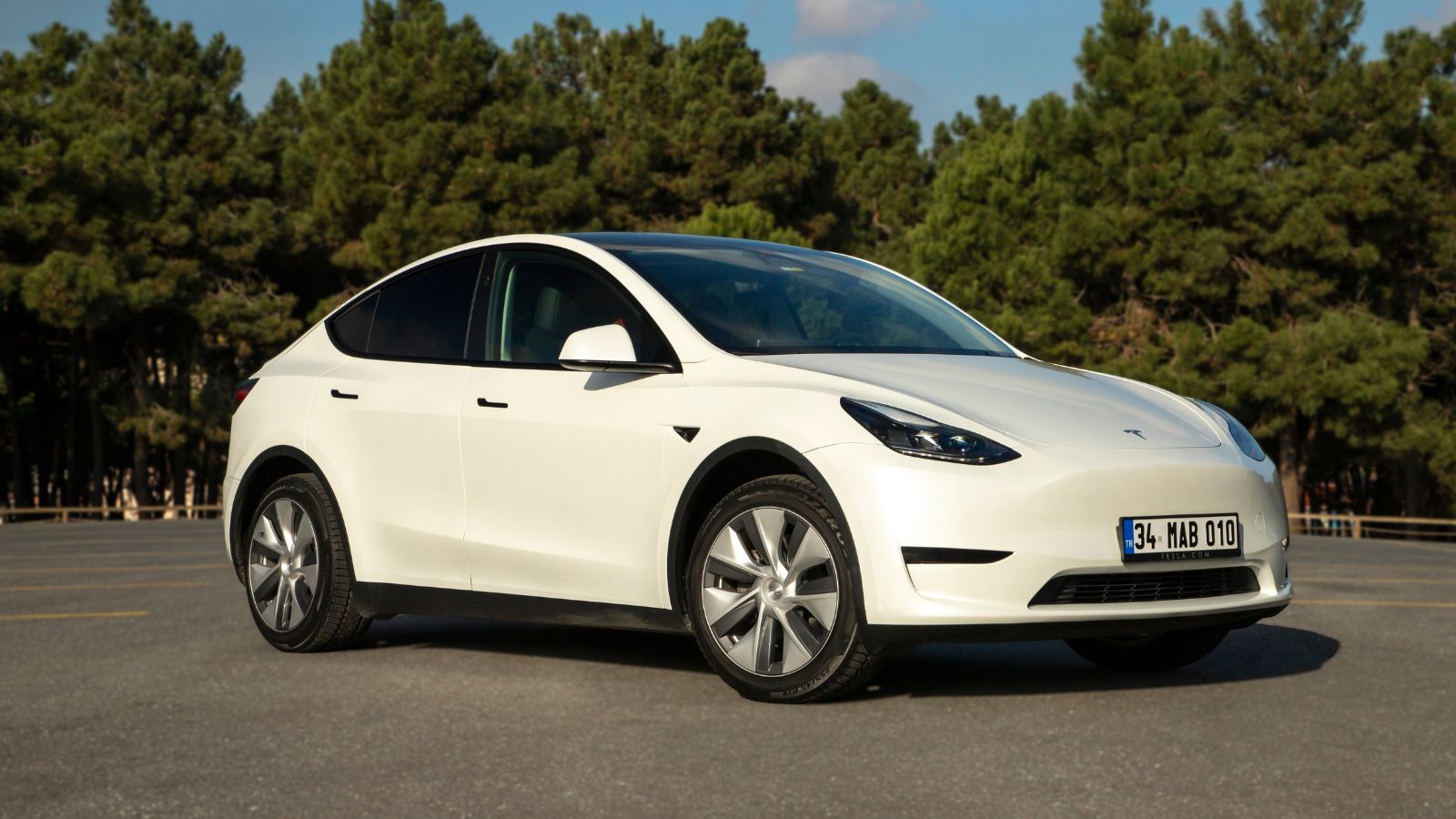
Oregon, with its stunning Pacific coastline, lush forests, and vibrant cities, is a road trip paradise. And for Tesla owners, exploring this diverse state is made even easier by Tesla’s expansive Supercharger network. This article provides a comprehensive guide to Tesla Superchargers in Oregon, covering everything from current locations and upcoming sites to tips for planning your EV adventure.
The Current Landscape: A Flourishing Network
Oregon boasts a robust and growing network of Tesla Superchargers, strategically located to support travel across the state. From the bustling Portland metropolitan area to the remote beauty of Eastern Oregon, Superchargers are increasingly accessible.
As of late 2023, you can find Superchargers in the following Oregon cities and regions (this is not an exhaustive list, and updates may occur):
-
Portland Metropolitan Area: This area has a high concentration of Superchargers, catering to the dense population and providing convenient charging options for both residents and visitors. Locations include Portland (various locations), Tigard, Beaverton, Wilsonville, and Gresham. These locations are crucial for navigating the urban sprawl and ensuring smooth commutes and weekend getaways.
-
Willamette Valley: Stretching south from Portland, the Willamette Valley is a fertile agricultural region with charming towns and wineries. Superchargers in cities like Salem, Albany, and Corvallis allow Tesla owners to explore this picturesque area with confidence. These locations are often strategically placed near restaurants and amenities, making charging a convenient and enjoyable experience.
-
Oregon Coast: The iconic Oregon Coast, known for its dramatic cliffs, sandy beaches, and stunning sunsets, is well-served by Superchargers. Locations like Astoria, Newport, Lincoln City, and Coos Bay provide charging opportunities for coastal drives and explorations. Imagine cruising the scenic Highway 101, knowing that a convenient charging stop is just around the corner.
-
Central Oregon: This region, characterized by its high desert landscape, outdoor recreation opportunities, and the towering Cascade Mountains, features Superchargers in Bend, Redmond, Madras, and Sisters. These locations are essential for exploring the region’s world-class skiing, hiking, and mountain biking trails.
-
Southern Oregon: As you venture south, Superchargers in cities like Medford, Grants Pass, Ashland, and Klamath Falls become vital for traversing this vast and diverse region. They support travel to Crater Lake National Park, the Shakespeare Festival in Ashland, and the stunning landscapes of the Rogue River Valley.
-
Eastern Oregon: While more sparsely populated, Eastern Oregon is seeing increased Supercharger coverage. Locations in Pendleton, La Grande, Ontario, and Baker City are crucial for connecting the state and facilitating long-distance travel through this region. These Superchargers are strategically positioned to support cross-state journeys and explorations of the region’s vast open spaces.
Upcoming Supercharger Locations: The Future is Electric
Tesla is continuously expanding its Supercharger network in Oregon, with new locations planned for the future. These additions will further enhance the charging infrastructure and make EV travel even more accessible and convenient. Keep an eye on Tesla’s official website and Supercharger maps for announcements of upcoming locations. Rumored and potential locations often surface in online forums and EV communities, so staying informed is key. These additions are often driven by increasing EV adoption rates and the need to support growing tourism in key areas.
Understanding Supercharger Technology: Speed and Efficiency
Tesla Superchargers utilize advanced charging technology to deliver rapid charging speeds. The charging rate can vary depending on several factors, including the Supercharger version (V2, V3, etc.), the car’s battery level, and the ambient temperature.
-
V2 Superchargers: These are older generation Superchargers that typically deliver a maximum power output of 150kW. While still functional, they are gradually being replaced or upgraded to newer versions.
-
V3 Superchargers: These are the current standard, capable of delivering peak power output of up to 250kW. This allows for significantly faster charging times, especially when the battery is low.
-
Charging Curve: It’s important to understand the charging curve, which describes how the charging rate changes as the battery fills up. Charging is typically fastest when the battery is low (e.g., 20-30%) and gradually slows down as it approaches full capacity (e.g., 80-100%). For optimal efficiency, it’s often recommended to charge to around 80% rather than aiming for a full 100%.
-
Shared Power: Some Supercharger locations utilize shared power architecture, meaning that two adjacent charging stalls share a single power supply. If both stalls are in use, the charging rate will be divided between the two cars. To maximize charging speed, it’s often advisable to choose a stall that is not currently occupied.
Planning Your Oregon Tesla Road Trip: Tips and Tricks
Planning a Tesla road trip through Oregon requires some preparation, but the rewards are well worth the effort. Here are some tips to help you plan a successful and enjoyable EV adventure:
-
Utilize Tesla’s Navigation System: Tesla’s built-in navigation system is specifically designed for EV travel. It automatically routes you to Superchargers along your route, taking into account your car’s range, elevation changes, and weather conditions. It also provides real-time information about Supercharger availability.
-
Use Third-Party Apps and Websites: In addition to Tesla’s navigation system, several third-party apps and websites can help you plan your road trip. These tools often provide additional information, such as user reviews of Supercharger locations, details about nearby amenities, and real-time updates on charging availability. Examples include PlugShare and A Better Route Planner (ABRP).
-
Consider Range and Elevation Changes: Oregon’s diverse terrain can significantly impact your car’s range. Climbing steep hills and driving in cold weather can reduce your range, while descending hills and driving in warm weather can increase it. Be sure to factor in these variables when planning your route and determining your charging stops.
-
Plan for Charging Stops: Don’t wait until your battery is critically low to start looking for a Supercharger. Plan your charging stops in advance, taking into account the distance between Superchargers and the time it will take to charge your car.
-
Take Advantage of Nearby Amenities: Many Supercharger locations are conveniently located near restaurants, coffee shops, and other amenities. Take advantage of these opportunities to grab a bite to eat, stretch your legs, and recharge yourself while your car is charging.
-
Check Supercharger Availability: Before arriving at a Supercharger location, check its availability using Tesla’s app or website. This will help you avoid waiting in line and ensure a smooth charging experience.
-
Be Aware of Peak Charging Times: Superchargers can be busy during peak travel times, such as weekends and holidays. Consider adjusting your travel schedule to avoid these peak times, or be prepared to wait in line for a charging stall.
-
Download Offline Maps: In some remote areas of Oregon, cell phone service may be limited. Download offline maps to your phone or navigation system to ensure that you can navigate even without a data connection.
-
Pack an Emergency Kit: It’s always a good idea to pack an emergency kit in your car, especially when traveling in remote areas. This kit should include items such as a first-aid kit, jumper cables, a flashlight, a blanket, and snacks.
-
Embrace the Journey: Road tripping in an EV is a different experience than driving a gasoline-powered car. Embrace the opportunity to slow down, explore new places, and enjoy the scenery.
Beyond Superchargers: Alternative Charging Options
While Superchargers are the primary charging option for Tesla owners, other charging options are available in Oregon. These include:
-
Destination Chargers: These are Level 2 chargers located at hotels, restaurants, and other businesses. They provide a slower charging rate than Superchargers but can be a convenient option for overnight stays or while enjoying a meal.
-
Public Charging Stations: Many public charging stations are available throughout Oregon, operated by companies such as ChargePoint and Electrify America. These stations offer a variety of charging speeds and can be a useful alternative to Superchargers.
-
Home Charging: If you live in Oregon, installing a home charger is the most convenient way to keep your Tesla charged. A Level 2 home charger can provide a full charge overnight.
Conclusion: Oregon – An EV-Friendly State
Oregon is rapidly becoming an EV-friendly state, thanks to its growing network of Tesla Superchargers and other charging infrastructure. With careful planning and a little preparation, Tesla owners can confidently explore all that Oregon has to offer, from its stunning coastline to its majestic mountains. So, pack your bags, charge up your Tesla, and get ready to experience the beauty and adventure of Oregon. The open road awaits, and the electric future is here. Remember to stay updated on new Supercharger locations and charging technologies to make the most of your EV journey.