The Sahara Desert, a name that conjures images of endless dunes, scorching heat, and a landscape seemingly devoid of life, is far more complex and fascinating than its initial impression suggests. Spanning across nearly a third of the African continent, this vast expanse isn’t simply a homogenous sea of sand, but a mosaic of diverse terrains, rich histories, and surprising resilience. Understanding the Sahara requires a journey through its cartography, exploring how it has been mapped, understood, and shaped by human interaction and the forces of nature.
A Geographical Giant:
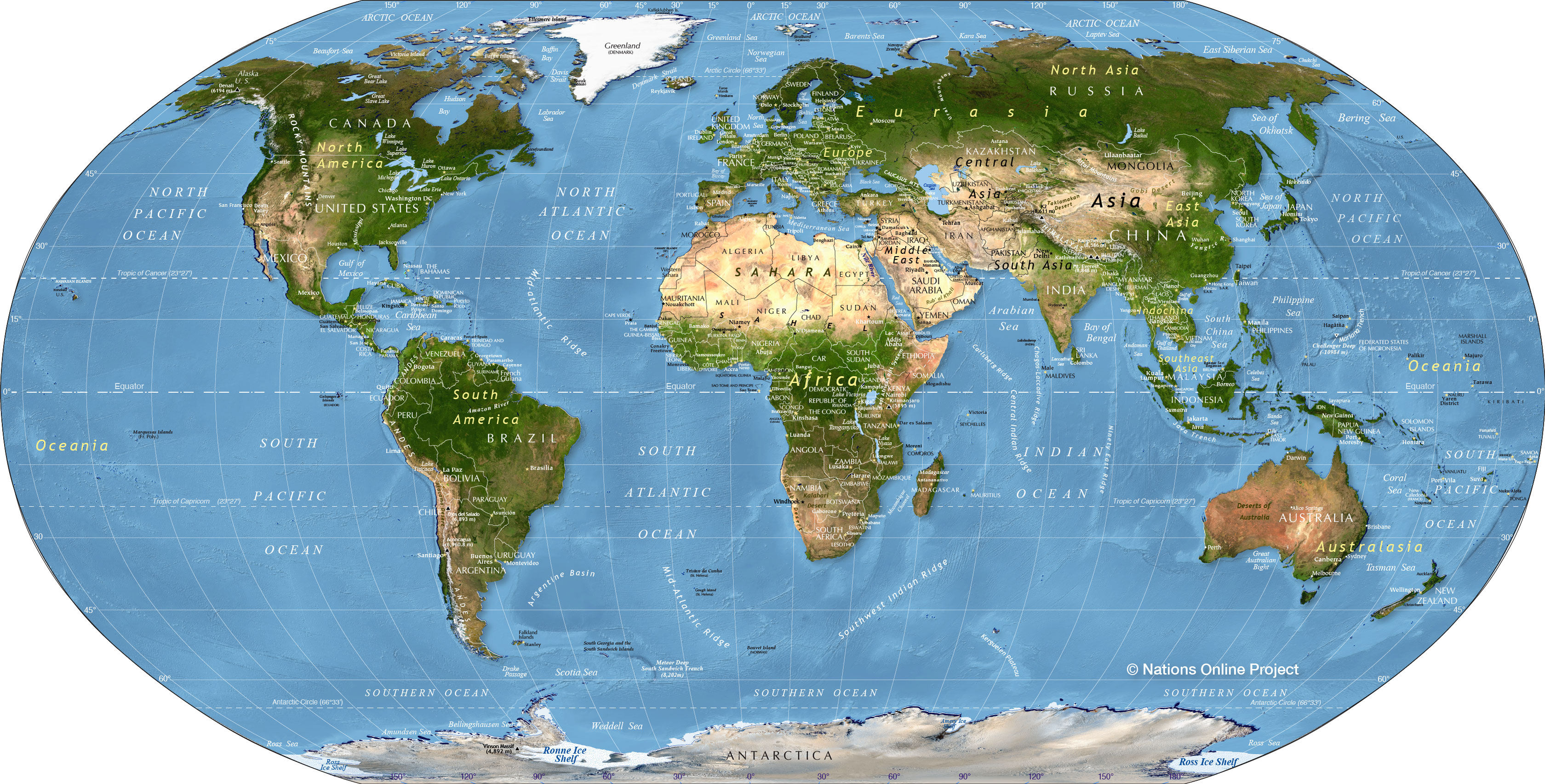
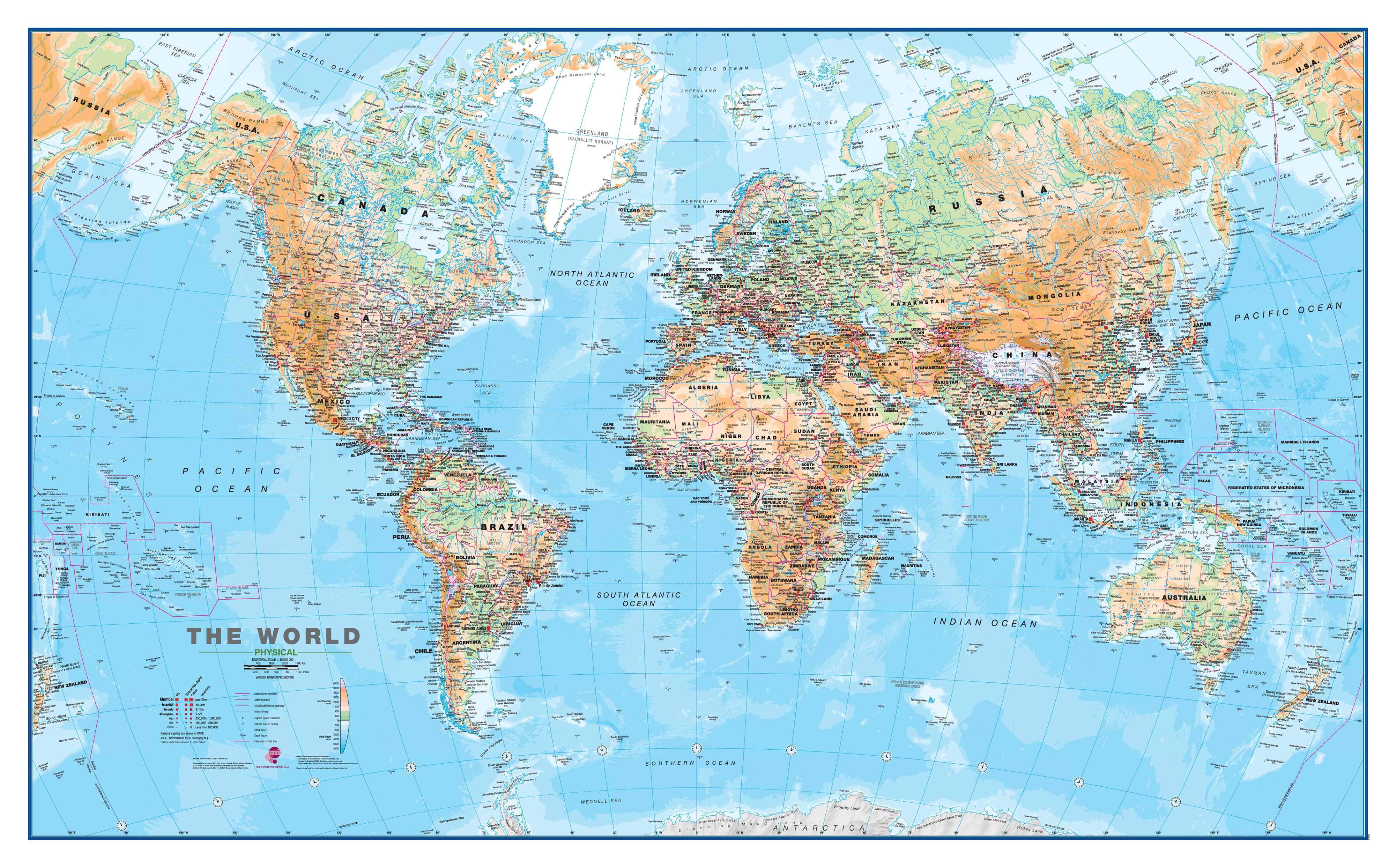
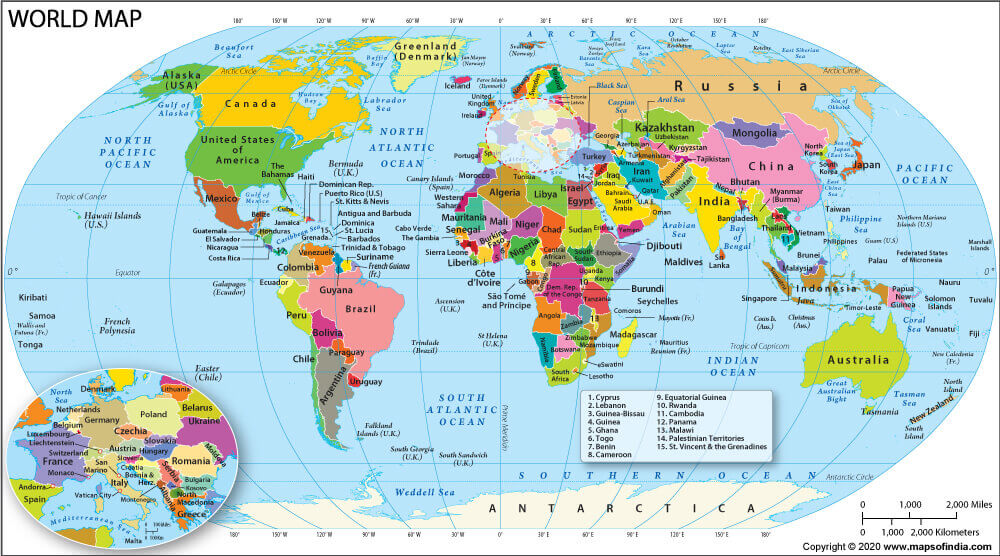
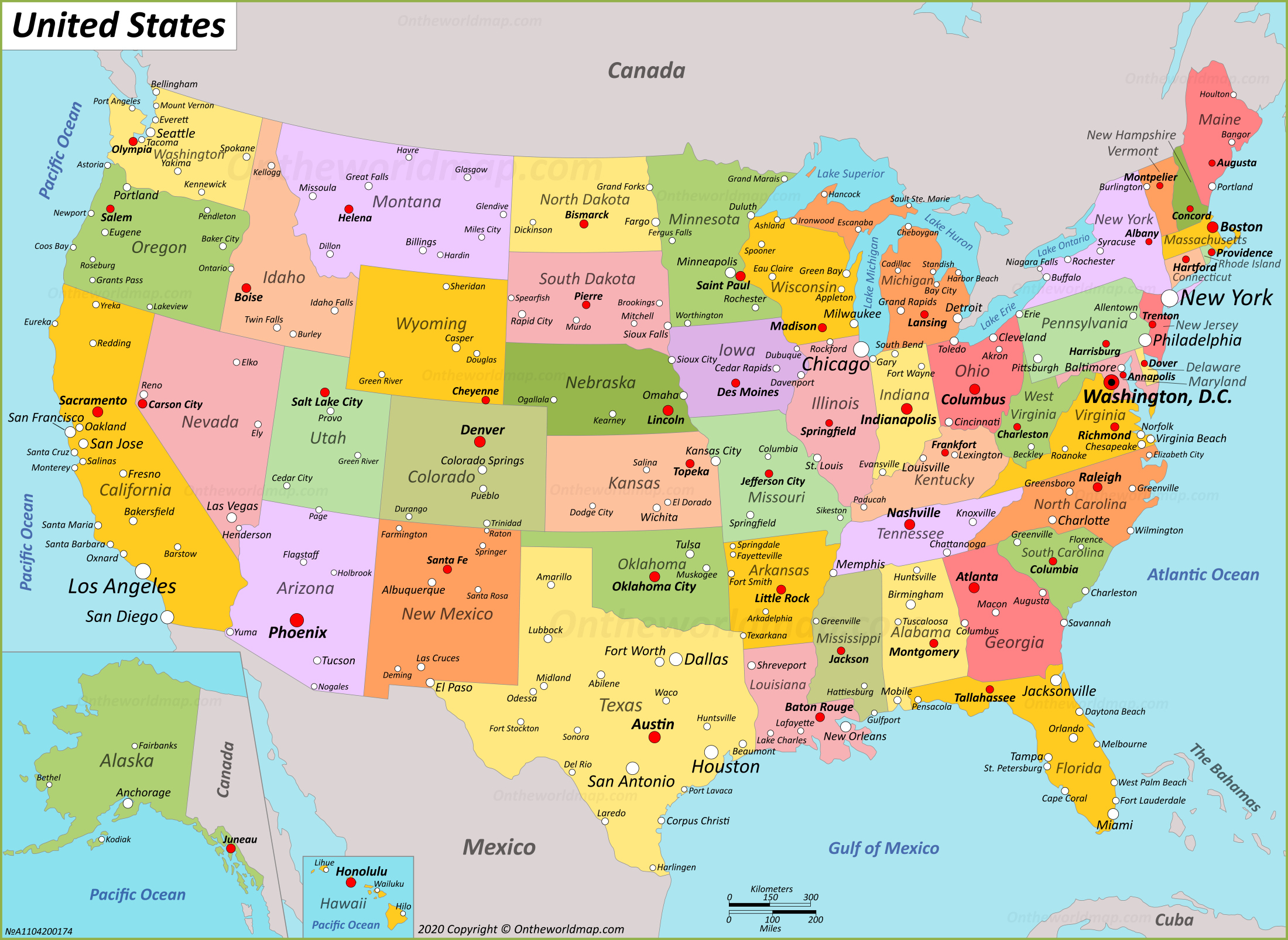
The Sahara Desert stretches across North Africa, encompassing parts of Algeria, Chad, Egypt, Libya, Mali, Mauritania, Morocco, Niger, Sudan, and Tunisia. Its boundaries are generally defined by the Atlas Mountains and the Mediterranean Sea to the north, the Atlantic Ocean to the west, the Sahel region and the Niger River Basin to the south, and the Red Sea to the east. This immense territory covers approximately 9.2 million square kilometers (3.6 million square miles), making it roughly the size of the United States.
Beyond the iconic sand dunes (erg), the Sahara presents a diverse topography. Gravel plains (reg), rocky plateaus (hamada), dry valleys (wadis), salt flats, and even mountainous regions like the Tibesti Mountains in Chad and the Ahaggar Mountains in Algeria, contribute to the Sahara’s varied character. These different landforms play a crucial role in determining the distribution of resources, influencing the patterns of human settlement and shaping the diverse ecosystems that manage to survive in this harsh environment.
Early Cartography and the Roman Influence:
The earliest attempts to map the Sahara were rudimentary, often based on anecdotal accounts and limited exploration. Ancient Egyptians, for example, had a basic understanding of the desert regions bordering the Nile Valley, primarily driven by the need to secure resources and maintain trade routes. However, these maps were largely localized and lacked the broader geographical context of the Sahara as a whole.
The Romans, with their ambitious empire-building and extensive trade networks, significantly advanced the cartographic understanding of North Africa. Roman geographers, like Ptolemy, produced maps that included the Sahara, albeit with varying degrees of accuracy. These maps were based on reports from soldiers, merchants, and explorers who ventured into the desert. While often distorted and incomplete, they provided valuable insights into the location of oases, the presence of nomadic tribes, and the potential for resource extraction.
Roman influence extended beyond simple mapping. They established settlements along the coastal regions and strategic points within the desert, building roads and infrastructure to facilitate trade and control. This interaction led to a more detailed understanding of the Sahara’s geography, though it was largely confined to areas of direct Roman influence.
The Rise of Islamic Scholarship and Trans-Saharan Trade:
With the spread of Islam across North Africa in the 7th and 8th centuries, a new era of cartographic development began. Islamic scholars, building upon the knowledge of the Greeks and Romans, made significant contributions to geography and cartography. They translated and preserved classical texts, while also conducting their own explorations and observations.
The trans-Saharan trade, which flourished from the 8th to the 16th centuries, played a vital role in shaping the mapping of the Sahara. This trade network connected West Africa with the Mediterranean world, facilitating the exchange of goods like gold, salt, textiles, and slaves. Muslim traders and scholars traversed the desert, mapping routes, identifying oases, and recording information about the diverse populations living in the region.
Arab geographers, such as Al-Idrisi, produced detailed maps that depicted the Sahara and its surrounding regions with unprecedented accuracy. Their maps incorporated information from various sources, including travelers’ accounts, astronomical observations, and mathematical calculations. These maps were instrumental in guiding trade caravans and facilitating communication across the vast desert.
European Exploration and Colonial Mapping:
The European exploration of the Sahara began in earnest during the 19th century, driven by a combination of scientific curiosity, commercial interests, and colonial ambitions. European explorers, often backed by their respective governments, ventured into the desert to map its geography, study its geology, and assess its potential for resource extraction.
Figures like Heinrich Barth, a German explorer who traveled extensively across the Sahara in the 1850s, made significant contributions to the understanding of the region. He meticulously documented his observations, producing detailed maps and ethnographic accounts that provided valuable insights into the Sahara’s diverse landscapes and cultures.
The colonial powers, particularly France and Great Britain, were keen to map and control the Sahara as part of their broader imperial projects in Africa. They established military posts and trading centers, and conducted extensive surveys to create accurate maps for administrative and military purposes. These maps were often biased, reflecting the colonial perspective and prioritizing the interests of the European powers.
Modern Mapping Techniques and Satellite Imagery:
Modern mapping techniques, including aerial photography, satellite imagery, and GPS technology, have revolutionized our understanding of the Sahara. Satellite imagery, in particular, has provided a comprehensive view of the desert’s vastness and complexity, allowing scientists to study its geological formations, monitor its climate patterns, and track the movement of sand dunes.
Remote sensing data has been used to create detailed topographic maps of the Sahara, revealing the hidden features of its landscape, such as ancient riverbeds and underground water sources. These maps are essential for understanding the Sahara’s hydrological cycle and for identifying potential areas for water resource development.
The Sahara Today: Challenges and Transformations:
The Sahara Desert is facing a number of challenges in the 21st century, including climate change, desertification, and resource scarcity. Climate change is causing increased temperatures and reduced rainfall, exacerbating the already harsh conditions and threatening the livelihoods of the people who live in the region.
Desertification, the process by which fertile land turns into desert, is a major concern in the Sahara. Overgrazing, deforestation, and unsustainable agricultural practices contribute to desertification, leading to soil erosion, loss of biodiversity, and increased vulnerability to drought.
Water scarcity is another critical issue in the Sahara. Access to clean water is essential for human survival and for supporting agriculture and livestock raising. The depletion of groundwater resources and the pollution of surface water sources are posing serious threats to the region’s water security.
Despite these challenges, the Sahara is also undergoing significant transformations. The discovery of oil and gas reserves in the Sahara has led to increased economic activity and infrastructure development in some areas. Renewable energy projects, such as solar power plants, are being implemented to harness the Sahara’s abundant sunshine and provide clean energy to the region and beyond.
Conclusion:
Mapping the Sahara is an ongoing process, one that reflects our evolving understanding of this vast and dynamic landscape. From the rudimentary maps of ancient civilizations to the sophisticated satellite imagery of today, our knowledge of the Sahara has grown exponentially. As we continue to explore and study the Sahara, we gain a deeper appreciation for its ecological significance, its historical importance, and its potential for sustainable development. Understanding the Sahara, through its maps and the stories they tell, is crucial for addressing the challenges facing the region and for ensuring a sustainable future for its people and its environment. The Sahara, far from being a barren wasteland, is a complex and vibrant ecosystem that deserves our attention and our respect. Its mapping is not just a geographical exercise; it’s an act of understanding and appreciating a vital part of our planet.