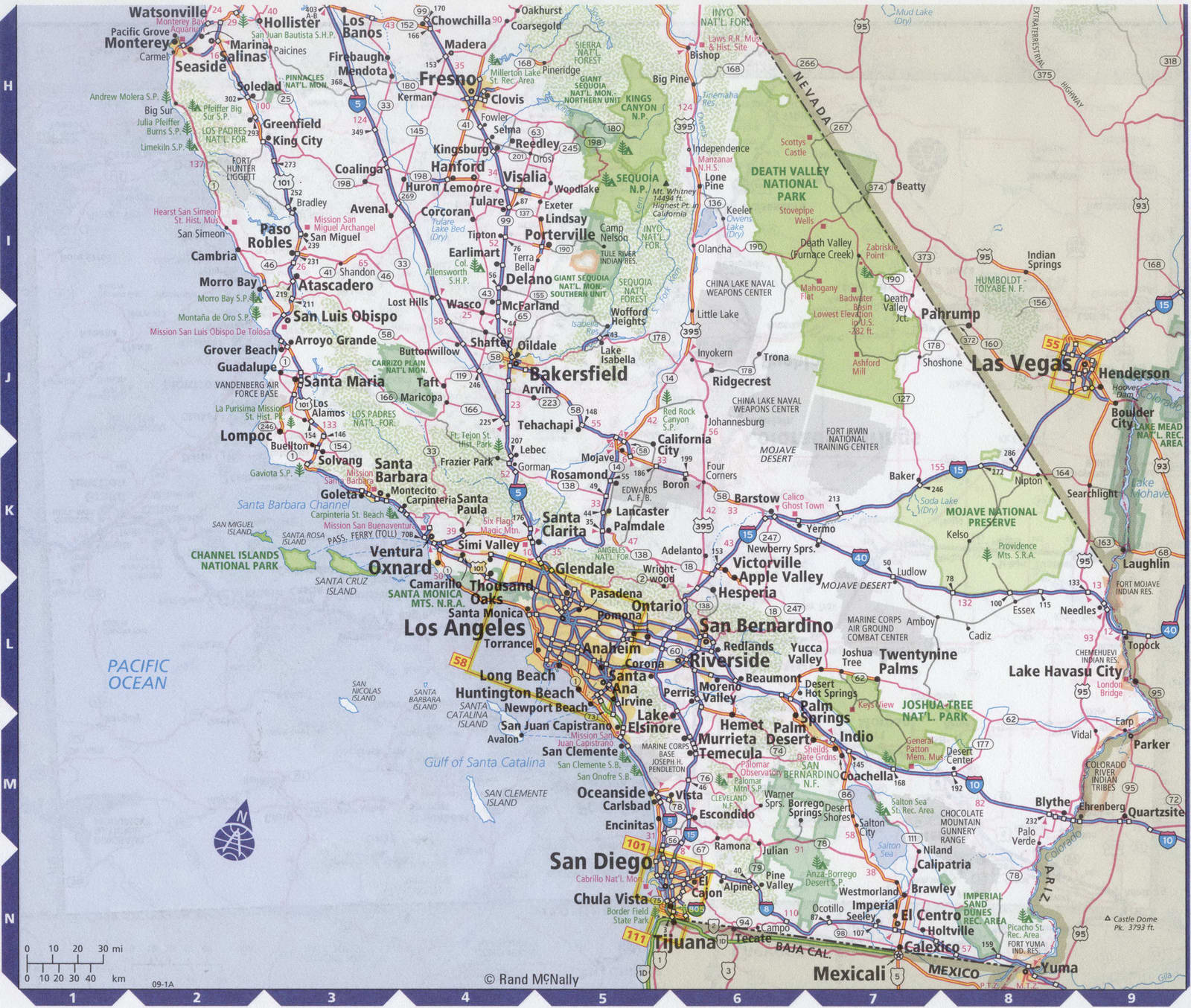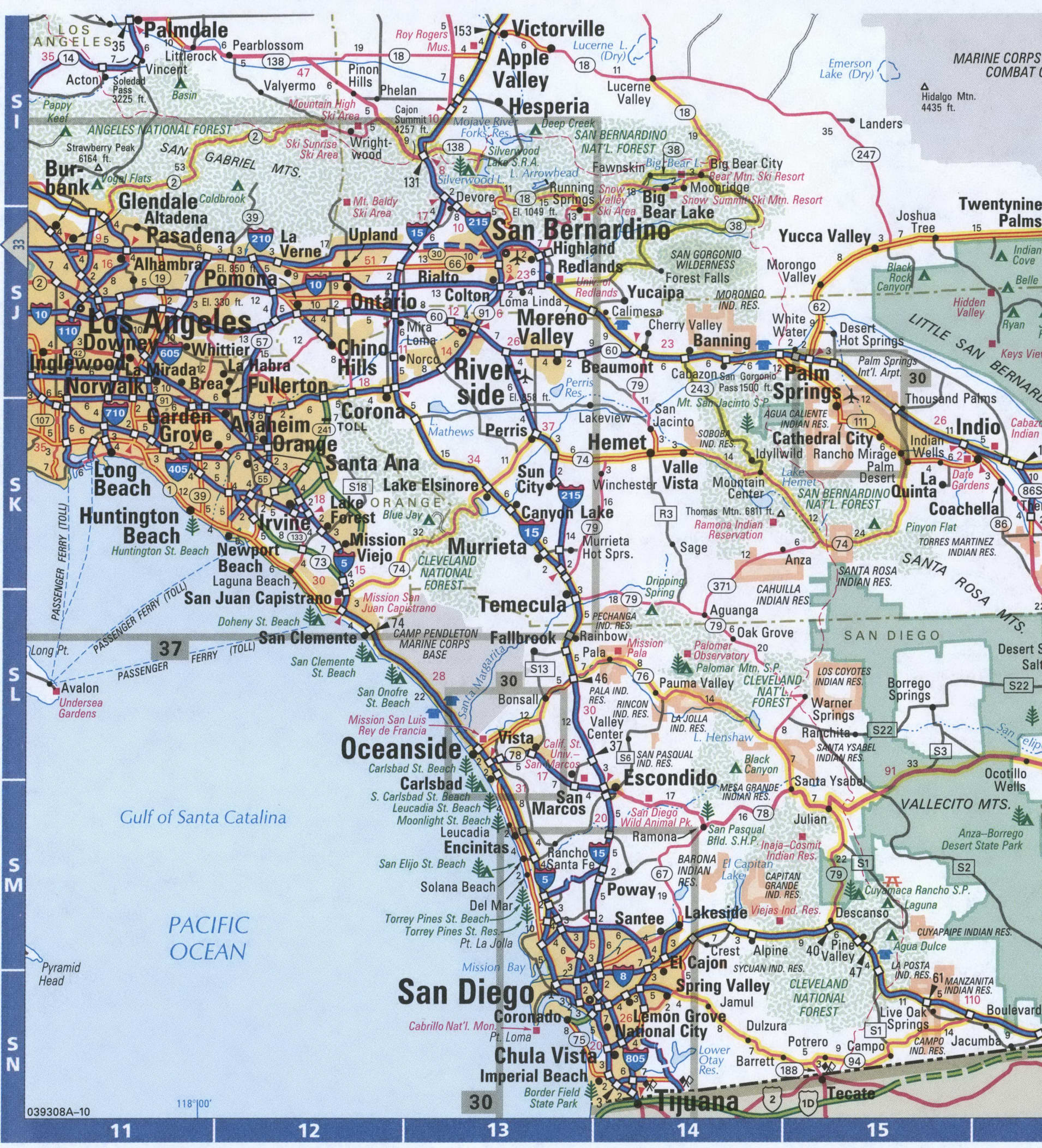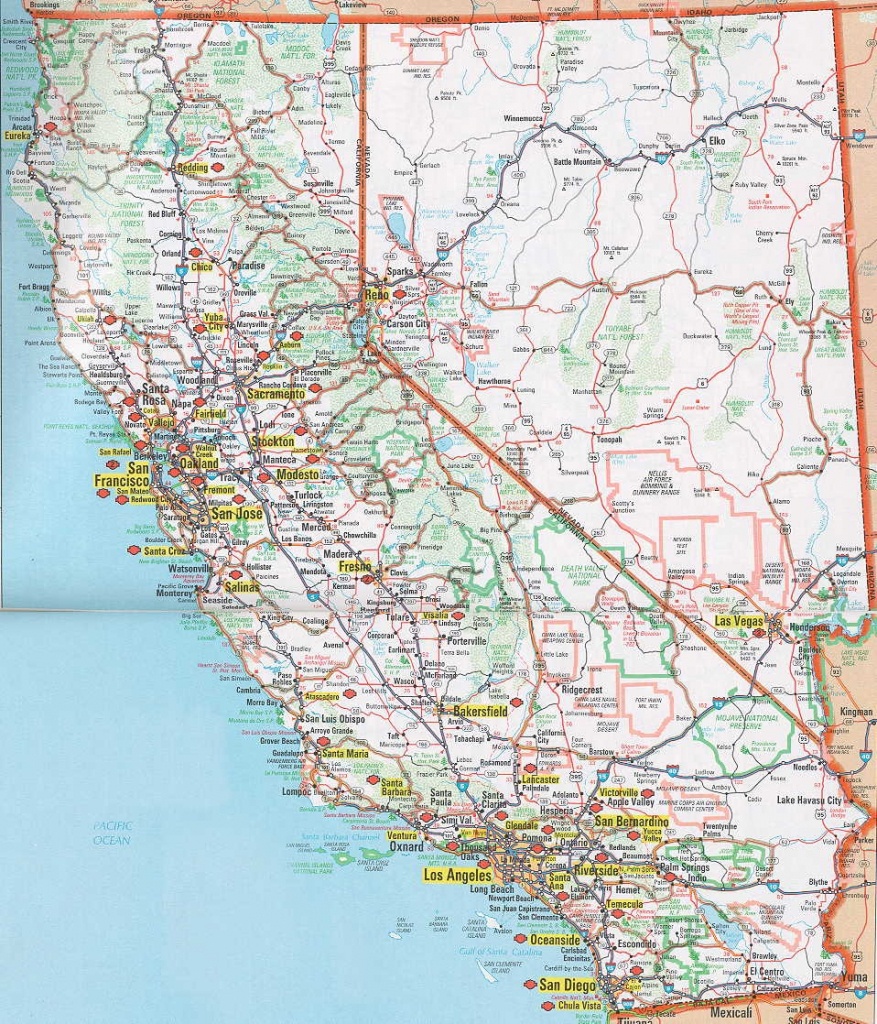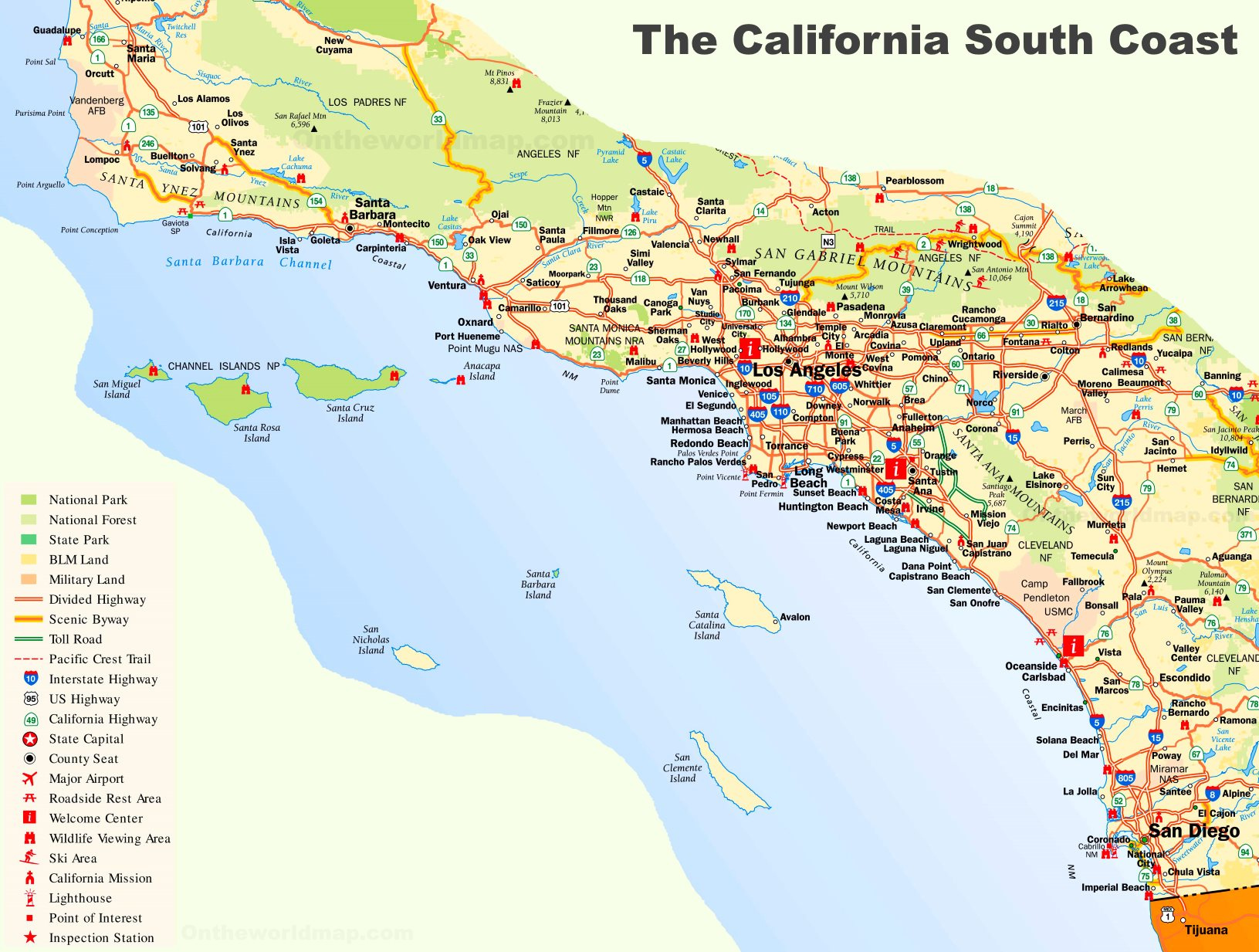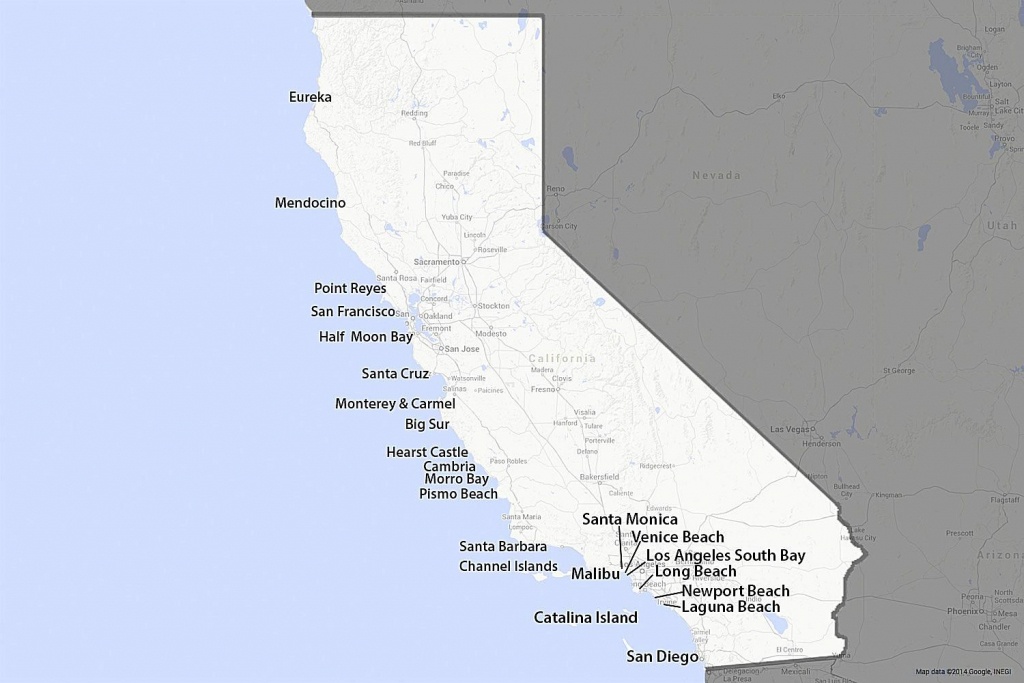
Southern California, a sun-drenched paradise of sprawling metropolises, dramatic landscapes, and iconic beaches, owes much of its allure to its captivating coastline. A glance at a coastal map reveals a complex tapestry of geological wonders, thriving ecosystems, and vibrant communities, each contributing to the region’s unique character. From the serene coves of San Diego to the rugged cliffs of Santa Barbara, this coastal map is a guide to understanding the natural beauty, economic significance, and recreational opportunities that define Southern California.
A Journey from Border to Border: A Geographical Overview
The Southern California coastline stretches approximately 276 miles, extending from the Mexican border at Imperial Beach in San Diego County to Point Conception in Santa Barbara County, where the coastline abruptly turns eastward. This stretch encompasses five counties: San Diego, Orange, Los Angeles, Ventura, and Santa Barbara, each offering a distinct coastal experience.
The geological forces that have shaped this coastline are evident in its diverse features. Fault lines, including the infamous San Andreas, have played a pivotal role in creating the dramatic cliffs, valleys, and offshore islands. The constant interaction between the Pacific Ocean and the landmass has sculpted beaches, formed estuaries, and carved out sea caves, resulting in a landscape that is both dynamic and breathtaking.
Key Features Unveiled: A County-by-County Exploration
Let’s embark on a journey south to north, exploring the key features and characteristics of each county’s coastal map:
-
San Diego County: Starting at the border, San Diego’s coastline is characterized by a series of bays and lagoons. San Diego Bay, a natural deep-water harbor, is the site of the city’s vibrant downtown, maritime industry, and Naval Base San Diego. Further north, Mission Bay offers recreational opportunities like sailing, kayaking, and paddleboarding. The Torrey Pines State Natural Reserve, with its dramatic sandstone cliffs overlooking the Pacific, provides stunning views and hiking trails. The coastline continues northward, transitioning to more rugged cliffs and secluded beaches as you approach Oceanside.
-
Orange County: Known for its iconic beaches and surf culture, Orange County’s coastline is a playground for beachgoers and water sports enthusiasts. Huntington Beach, aptly nicknamed "Surf City USA," is a mecca for surfers, while Newport Beach boasts a charming harbor and upscale waterfront communities. Laguna Beach, renowned for its art scene and scenic coves, offers tide pooling and dramatic cliffside vistas. The coastline here is generally less rugged than San Diego, featuring long stretches of sandy beaches ideal for sunbathing and swimming.
-
Los Angeles County: The most populous county in Southern California, Los Angeles County, boasts a diverse coastline that mirrors its multifaceted character. The iconic beaches of Santa Monica and Venice draw millions of visitors each year. Malibu, with its celebrity homes perched on cliffs overlooking the Pacific, offers a taste of Hollywood glamour. The Palos Verdes Peninsula, a dramatic headland, provides panoramic ocean views and hiking trails. Further north, the coastline becomes more industrial, with the Port of Los Angeles, one of the busiest ports in the world, playing a crucial role in international trade.
-
Ventura County: Ventura County’s coastline offers a blend of urban development and natural beauty. The city of Ventura boasts a bustling harbor and vibrant downtown area. Channel Islands National Park, a chain of five islands off the coast, provides a sanctuary for wildlife and offers opportunities for hiking, kayaking, and diving. The coastline here is characterized by rocky beaches and rolling hills, offering a more rugged and natural feel than the more developed stretches to the south.
-
Santa Barbara County: Reaching the northernmost point of our journey, Santa Barbara County’s coastline exudes a Mediterranean charm. The city of Santa Barbara, with its Spanish Colonial architecture and picturesque harbor, is a popular tourist destination. The coastline here features dramatic cliffs, secluded coves, and the iconic Stearns Wharf, offering stunning views of the Pacific. Point Conception, where the coastline abruptly turns eastward, marks a significant geographical boundary and is known for its strong winds and rugged beauty.
The Economic Significance of the Coastline:
The Southern California coastline is a major economic driver, supporting a wide range of industries and contributing billions of dollars to the regional economy.
-
Tourism: The region’s beaches, harbors, and coastal attractions draw millions of visitors each year, generating revenue for hotels, restaurants, tour operators, and other businesses.
-
Maritime Industry: The Ports of Los Angeles and Long Beach are crucial hubs for international trade, handling a significant portion of the nation’s imports and exports.
-
Fishing and Aquaculture: Commercial and recreational fishing contribute to the local economy, while aquaculture farms raise seafood for consumption.
-
Real Estate: Coastal properties command a premium, contributing significantly to the region’s real estate market.
-
Energy Production: Offshore oil platforms and renewable energy projects contribute to the region’s energy supply.
Ecological Importance: A Delicate Balance
The Southern California coastline is home to a rich diversity of marine life, including seals, sea lions, dolphins, whales, and a variety of fish and invertebrates. Coastal wetlands, such as estuaries and lagoons, provide critical habitat for migratory birds and other wildlife.
However, the coastline faces a number of environmental challenges, including pollution, habitat loss, and climate change. Efforts are underway to protect and restore coastal ecosystems through conservation programs, regulations, and public awareness campaigns.
Recreational Opportunities: A Playground for All
The Southern California coastline offers a wide range of recreational opportunities for residents and visitors alike.
-
Beaches: Swimming, sunbathing, surfing, and beach volleyball are popular activities.
-
Harbors and Marinas: Boating, sailing, fishing, and whale watching are available at numerous harbors and marinas.
-
Hiking and Biking: Coastal trails offer stunning views and opportunities for exercise.
-
Kayaking and Paddleboarding: Explore the coastline from a unique perspective.
-
Diving and Snorkeling: Discover the underwater world and marine life.
Challenges and Conservation Efforts:
Despite its beauty and economic importance, the Southern California coastline faces several challenges:
- Coastal Erosion: Rising sea levels and storm surges threaten coastal infrastructure and habitats.
- Pollution: Runoff from urban areas and agricultural lands can contaminate coastal waters.
- Overdevelopment: Uncontrolled development can lead to habitat loss and degradation.
- Climate Change: Rising sea temperatures and ocean acidification threaten marine ecosystems.
Fortunately, numerous organizations and agencies are working to address these challenges through:
- Beach Nourishment: Replenishing eroded beaches with sand.
- Habitat Restoration: Restoring degraded wetlands and coastal habitats.
- Water Quality Monitoring: Monitoring and regulating pollution levels in coastal waters.
- Sustainable Development: Promoting responsible development practices that minimize environmental impact.
- Climate Change Mitigation: Reducing greenhouse gas emissions and adapting to the impacts of climate change.
Conclusion: A Priceless Resource
The coastal map of Southern California tells a story of natural beauty, economic prosperity, and ecological significance. From the sun-kissed beaches to the dramatic cliffs, the coastline offers a unique blend of opportunities and challenges. By understanding the complexities of this dynamic environment, we can work together to protect and preserve this priceless resource for future generations. This vibrant and ever-changing coastline will continue to be a defining feature of Southern California, attracting visitors, supporting local economies, and inspiring awe in all who experience its magic. The coastal map, therefore, serves not just as a geographical representation, but as a call to action, urging us to be responsible stewards of this precious natural treasure.