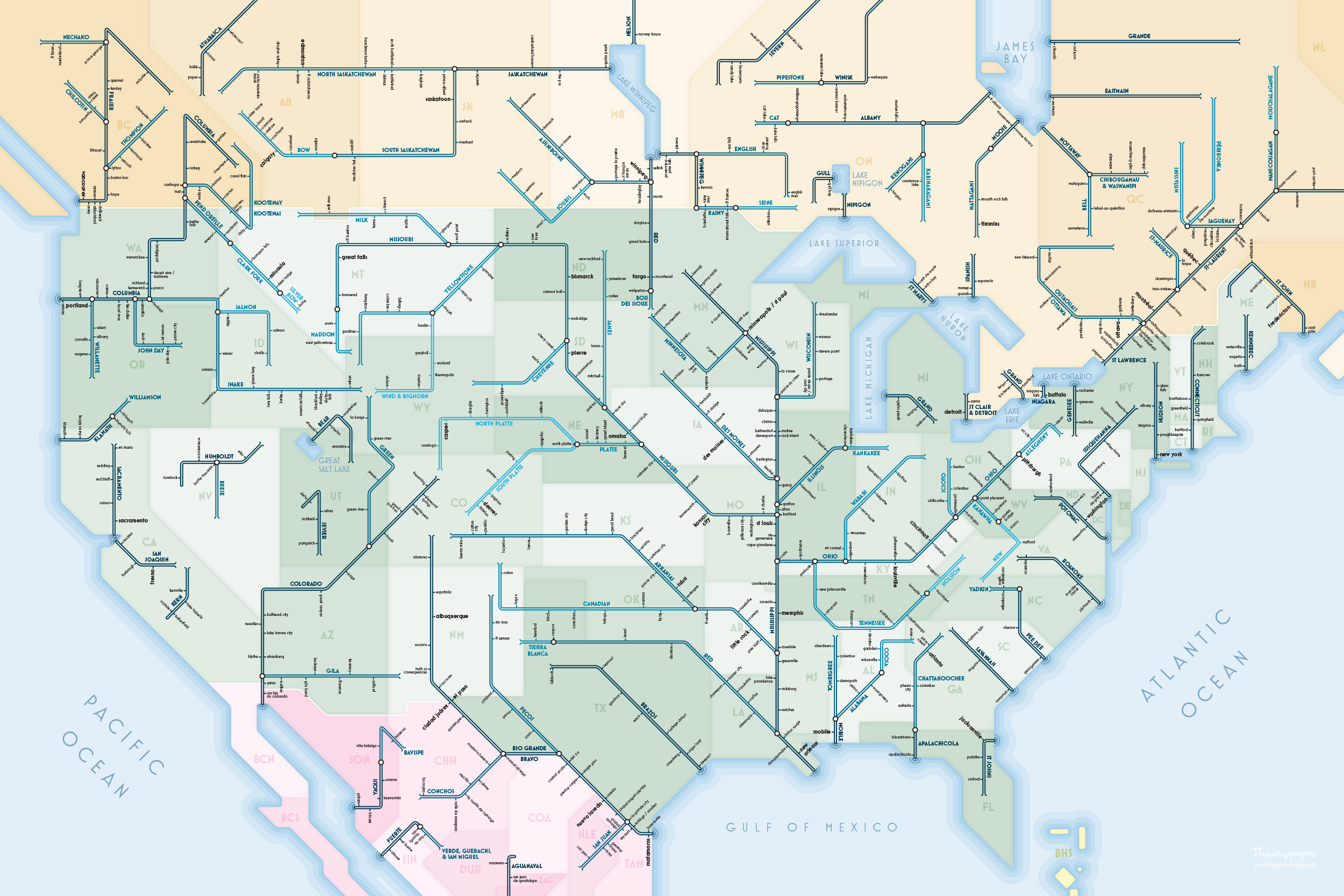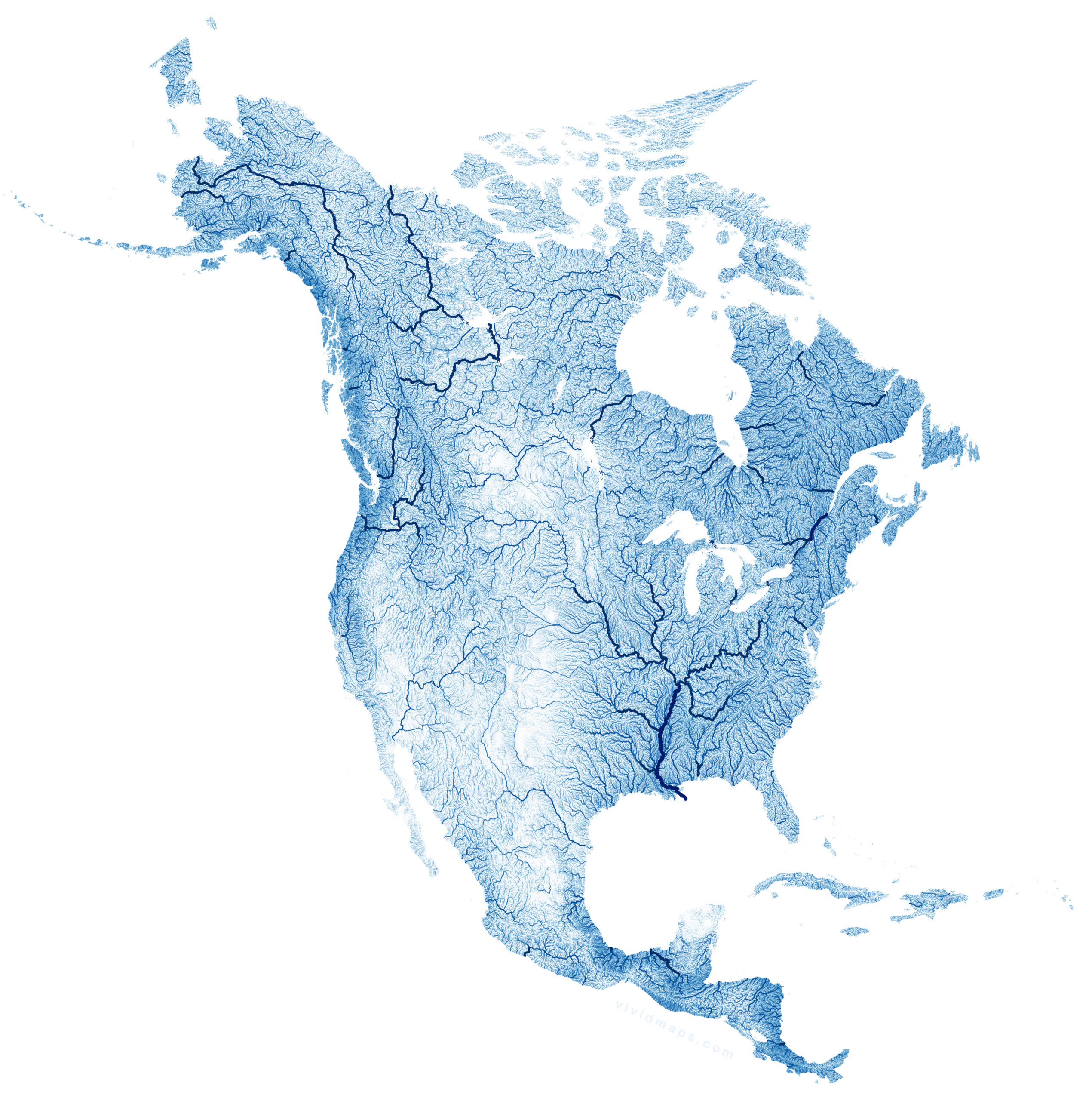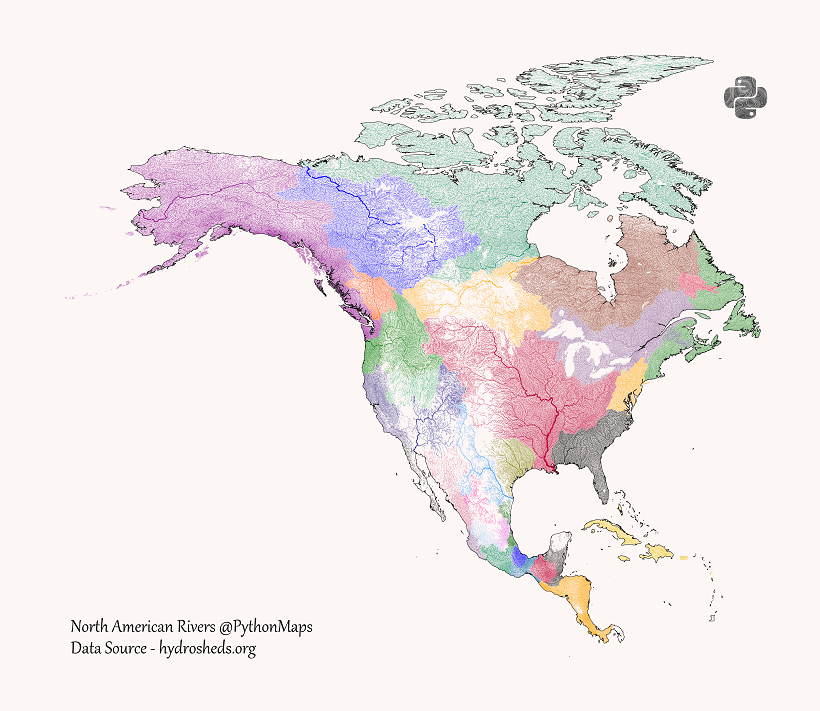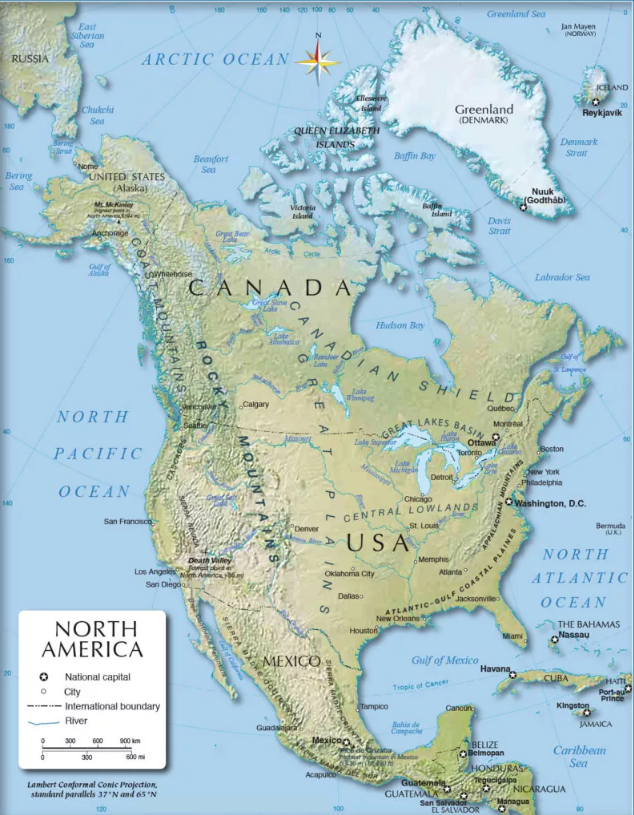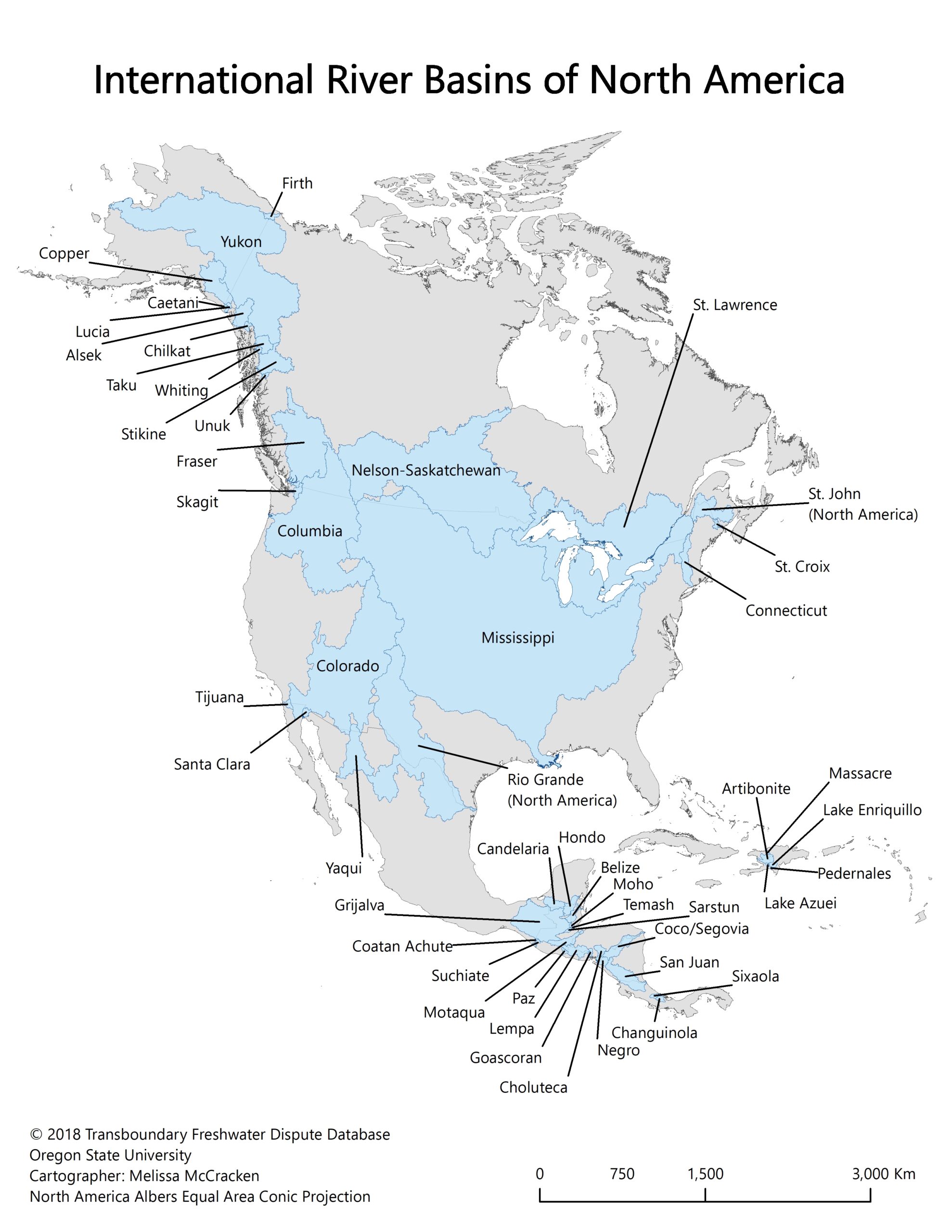
North America, a land of vast landscapes and diverse ecosystems, is crisscrossed by a complex network of rivers. These waterways are not just picturesque features; they are the lifeblood of the continent, shaping its geography, influencing its history, and sustaining its people. From the mighty Mississippi to the cascading Columbia, the rivers of North America tell a story of geological evolution, human settlement, and the enduring power of nature. This article delves into the fascinating world of North American rivers, exploring their characteristics, significance, and the challenges they face.
A Landscape Sculpted by Water:
The rivers of North America have played a pivotal role in shaping the continent’s physical geography. Over millennia, the relentless force of flowing water has carved out canyons, created fertile valleys, and deposited sediments that have formed vast deltas. The Grand Canyon, a breathtaking testament to the erosive power of the Colorado River, stands as a prime example. Similarly, the Mississippi River has sculpted the landscape of the American Midwest, creating a rich floodplain that supports a thriving agricultural industry.
The formation of river systems is often tied to the geological history of the region. The Rocky Mountains, a prominent feature of western North America, serve as a crucial watershed, feeding numerous rivers that flow towards the Pacific Ocean, the Gulf of Mexico, and the Arctic Ocean. The Laurentian Great Lakes, remnants of the last ice age, contribute significantly to the St. Lawrence River system, which drains into the Atlantic Ocean.
Major River Systems and Their Unique Characteristics:
North America boasts several major river systems, each with its own distinct characteristics and ecological significance:
-
The Mississippi River System: Dominating the central United States, the Mississippi River is the largest river system in North America, draining approximately 41% of the contiguous U.S. Its vast watershed encompasses numerous tributaries, including the Missouri, Ohio, and Arkansas Rivers. The Mississippi River is crucial for navigation, transportation, agriculture, and industry. Its delta, a constantly evolving landscape of wetlands and marshes, is a vital habitat for a wide range of species.
-
The Missouri River: As the longest tributary of the Mississippi, the Missouri River stretches over 2,341 miles, traversing the Great Plains. Its journey is marked by significant variations in flow, influenced by snowmelt from the Rocky Mountains and rainfall patterns across the plains. The Missouri River has been heavily dammed for flood control, irrigation, and hydropower generation, significantly altering its natural flow regime.
-
The St. Lawrence River: Connecting the Great Lakes to the Atlantic Ocean, the St. Lawrence River is a vital waterway for international trade. Its course is punctuated by numerous rapids and channels, requiring extensive dredging and engineering works to maintain navigability. The St. Lawrence River is also a significant source of hydroelectric power and supports a diverse ecosystem.
-
The Columbia River: Rising in the Canadian Rockies and flowing through Washington and Oregon, the Columbia River is the largest river in the Pacific Northwest. It is renowned for its abundant salmon runs and its role in hydropower generation. The Columbia River has been heavily dammed, impacting its natural flow and affecting fish populations.
-
The Colorado River: Carving its way through the arid landscapes of the southwestern United States, the Colorado River is a vital source of water for millions of people. Its flow is heavily regulated by dams and diversions, leading to significant water scarcity issues in the region. The Colorado River is also renowned for its scenic beauty, including the Grand Canyon and other spectacular canyons.
-
The Mackenzie River: The longest river system in Canada, the Mackenzie River flows north into the Arctic Ocean. Its vast watershed encompasses a large portion of northwestern Canada and is characterized by a cold, subarctic climate. The Mackenzie River is a crucial transportation route for remote communities and a vital habitat for migratory birds and other wildlife.
-
The Yukon River: Originating in British Columbia, Canada, and flowing through Yukon Territory and Alaska, the Yukon River is a major waterway in northwestern North America. Its basin is sparsely populated and largely undeveloped, retaining much of its pristine wilderness character. The Yukon River has historically been important for transportation and fishing, and it continues to support a traditional way of life for many Indigenous communities.
Rivers and Human History:
Rivers have played a pivotal role in shaping human history in North America. They served as crucial transportation routes for early inhabitants, facilitating trade, migration, and exploration. Indigenous peoples relied on rivers for sustenance, using them for fishing, hunting, and gathering. Many Indigenous cultures developed a deep spiritual connection with rivers, viewing them as sacred entities.
European colonization of North America was heavily influenced by the continent’s river systems. Explorers and traders used rivers to penetrate the interior, establishing trading posts and settlements along their banks. The fur trade, a major economic activity in the early centuries of European colonization, relied heavily on rivers for transportation.
The development of agriculture and industry in North America was also closely tied to rivers. Rivers provided a reliable source of water for irrigation and power for mills and factories. The growth of cities and towns was often concentrated along riverbanks, facilitating trade and transportation.
Challenges Facing North American Rivers:
Despite their vital importance, North American rivers face a multitude of challenges:
-
Pollution: Industrial discharge, agricultural runoff, and urban sewage contaminate rivers, harming aquatic life and threatening human health.
-
Dam Construction: Dams alter natural flow regimes, fragment habitats, and impede fish migration, impacting river ecosystems.
-
Water Scarcity: Over-allocation of water resources, particularly in arid regions, leads to water scarcity and conflicts over water rights.
-
Climate Change: Climate change is altering precipitation patterns, increasing the frequency and intensity of droughts and floods, impacting river flows and water availability.
-
Invasive Species: Invasive species can disrupt native ecosystems, outcompete native species, and alter water quality.
Conservation and Management:
Protecting and restoring North American rivers is essential for ensuring the long-term health of the continent’s ecosystems and the well-being of its people. Effective conservation and management strategies include:
-
Reducing Pollution: Implementing stricter regulations on industrial discharge, agricultural runoff, and urban sewage to minimize pollution.
-
Dam Removal: Removing or modifying dams to restore natural flow regimes and improve fish passage.
-
Water Conservation: Promoting water conservation practices in agriculture, industry, and urban areas to reduce water demand.
-
Climate Change Mitigation: Reducing greenhouse gas emissions to mitigate the impacts of climate change on river systems.
-
Habitat Restoration: Restoring degraded habitats along riverbanks to improve water quality and enhance biodiversity.
-
Collaborative Governance: Fostering collaboration among government agencies, Indigenous communities, and other stakeholders to ensure effective river management.
Conclusion:
The rivers of North America are more than just lines on a map; they are vital components of the continent’s natural heritage and essential resources for its people. From the majestic Mississippi to the remote Mackenzie, these waterways have shaped the landscape, influenced human history, and sustained countless species. However, these rivers face significant challenges, including pollution, dam construction, water scarcity, and climate change. By implementing effective conservation and management strategies, we can protect and restore these vital ecosystems for future generations. The health of North America’s rivers is inextricably linked to the health of the continent itself, making their preservation a critical priority. Understanding the intricate network of these rivers and the challenges they face is crucial for responsible stewardship of this invaluable resource. The future of North America depends, in no small part, on the health and vitality of its rivers.