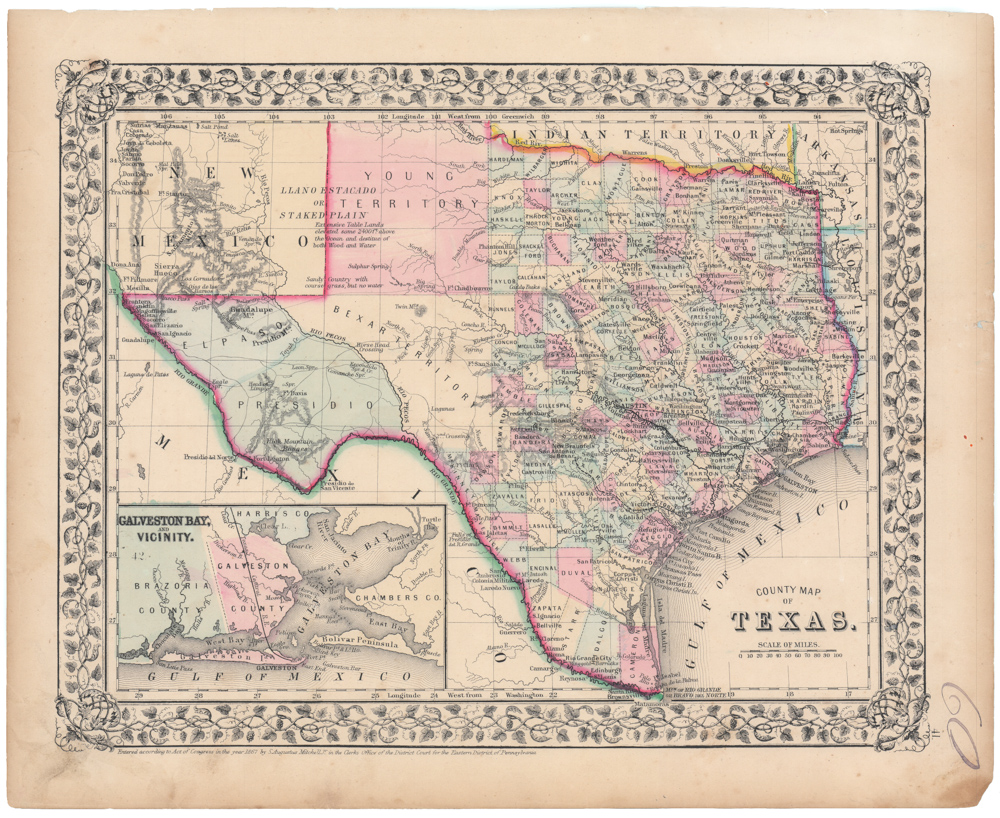
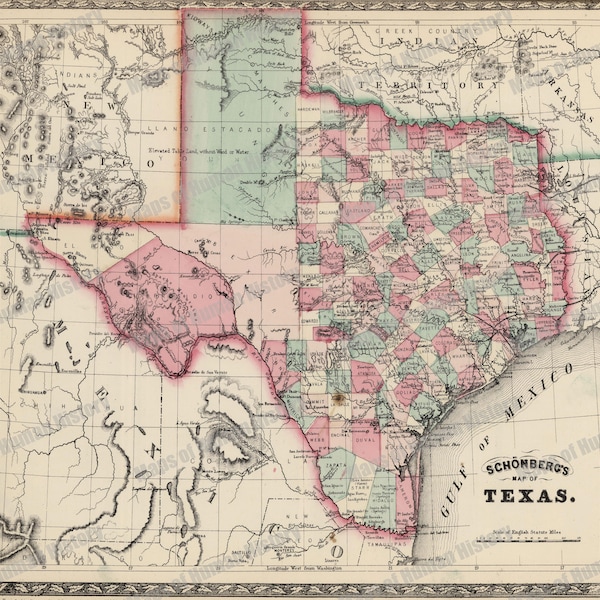
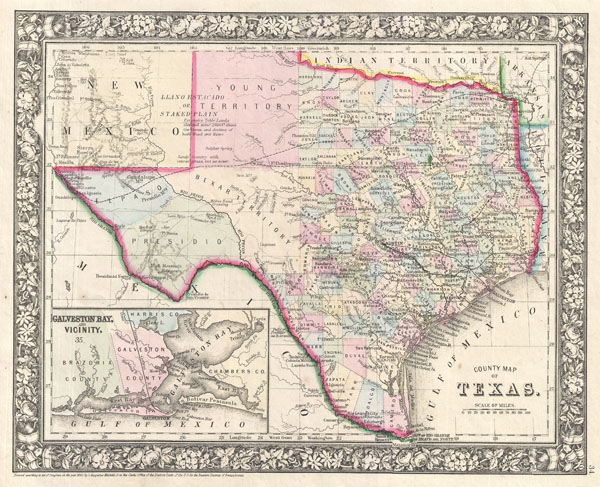
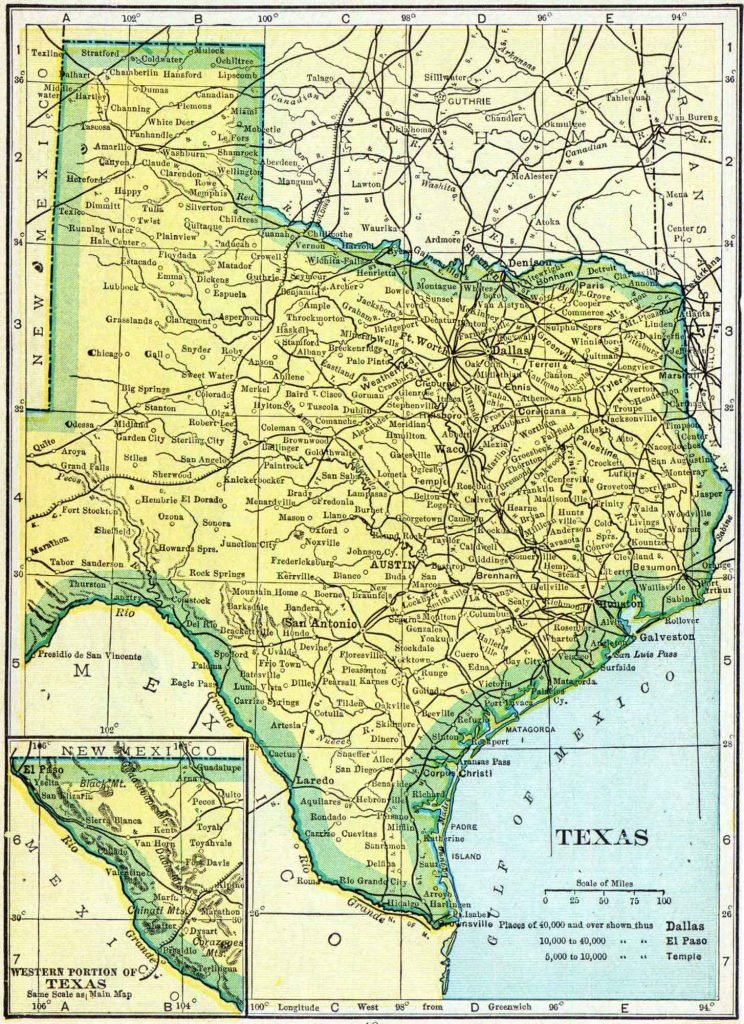
The map of Texas and Mexico is more than just lines and colors defining political boundaries. It’s a palimpsest, a surface layered with centuries of history, cultural exchange, economic interdependence, and profound human stories. This borderland, stretching over 1,254 miles (2,018 kilometers), is a dynamic space where two nations converge, diverge, and constantly renegotiate their relationship. Understanding this map, and the intricate realities it represents, requires delving into the complex historical, geographical, and socio-economic factors that have shaped it.
A Historical Cartography: From Indigenous Territories to International Boundary
Before the modern map of Texas and Mexico took shape, the land was inhabited by diverse Indigenous groups. The Caddo, Apache, Comanche, and Coahuiltecan peoples, among others, possessed intricate knowledge of the terrain and developed sophisticated social structures. These communities lived within fluid territorial boundaries, often engaging in trade and conflict with each other. European colonization, however, irrevocably altered this landscape.
The Spanish arrived in the 16th century, claiming vast swathes of land, including what is now Texas. They established missions and presidios, attempting to exert control and convert the Indigenous population. The map of the region began to be redrawn through a European lens, prioritizing resource extraction and strategic control. The Rio Grande (Río Bravo del Norte in Mexico) began to emerge as a significant geographical feature, though not yet a formal border.
The Mexican War of Independence (1810-1821) marked a turning point. Mexico gained independence from Spain, inheriting the vast territories, including Texas. Initially, Mexico encouraged American settlement in Texas, hoping to populate the sparsely inhabited region. However, tensions grew between the Anglo-American settlers and the Mexican government over issues such as slavery, language, and political representation.
The Texas Revolution (1835-1836) resulted in the independence of the Republic of Texas. The new republic claimed a border that extended south and west, including parts of what is now New Mexico, Colorado, Kansas, Oklahoma, and Wyoming. However, Mexico refused to recognize Texan independence and the disputed boundary remained a point of contention.
The annexation of Texas by the United States in 1845 further escalated tensions. The Mexican-American War (1846-1848) ensued, resulting in a decisive American victory. The Treaty of Guadalupe Hidalgo, signed in 1848, formally ceded vast territories, including California, Nevada, Utah, and parts of Arizona, New Mexico, Colorado, and Wyoming, to the United States. This treaty established the Rio Grande as the official border between Texas and Mexico, solidifying the map we recognize today.
However, even with the treaty, disputes continued, particularly regarding the precise location of the border in certain areas. The Gadsden Purchase of 1854 further adjusted the boundary in favor of the United States, acquiring additional territory in present-day Arizona and New Mexico.
A Geographical Tapestry: Diverse Landscapes and Their Influence
The Texas-Mexico border is not a uniform line across a homogenous landscape. It traverses a diverse array of geographical features, each impacting the lives of those who live along it.
- The Rio Grande/Río Bravo: The river itself is a defining feature, acting as a natural barrier in many sections. However, the river’s flow is subject to drought and overuse, leading to water scarcity and disputes over water rights. In some areas, the river is easily crossed, while in others, it presents a formidable obstacle.
- Desert Landscapes: Vast stretches of the border are characterized by arid and semi-arid desert environments. The harsh climate and limited resources pose significant challenges for agriculture and settlement. These areas are also often used by migrants attempting to cross the border illegally.
- Mountain Ranges: Mountainous terrain in regions like Big Bend National Park in Texas and the Sierra Madre Oriental in Mexico provide natural cover and challenging terrain. These areas are sparsely populated and difficult to patrol, making them attractive to drug smugglers and other illicit activities.
- Coastal Regions: The Gulf Coast region, where the Rio Grande empties into the Gulf of Mexico, features wetlands, estuaries, and coastal plains. This area is important for fishing, tourism, and shipping, but also vulnerable to hurricanes and other natural disasters.
The diverse geography of the border influences everything from agriculture and transportation to border security and migration patterns. The availability of water, the terrain’s suitability for agriculture, and the ease of access all contribute to the unique character of different regions along the border.
A Socio-Economic Interdependence: Shared Histories and Economic Ties
The Texas-Mexico border is not just a political boundary; it is a region of deep cultural and economic interdependence. The shared history, language, and cultural traditions have created a unique borderland culture that transcends national boundaries.
- Cultural Exchange: The border region is a melting pot of Mexican and American cultures. Music, food, art, and language are constantly exchanged and blended. "Tex-Mex" cuisine, for example, is a testament to this cultural fusion. Spanish is widely spoken on both sides of the border, and many communities are bilingual and bicultural.
- Economic Interdependence: Texas and Mexico are significant trading partners. The border region is a hub for cross-border trade, with goods and services flowing in both directions. Manufacturing, agriculture, and tourism are all important sectors of the border economy. Maquiladoras, factories located in Mexico near the border, employ a large workforce and contribute significantly to the economies of both countries.
- Labor Migration: Historically, the border region has been a major destination for labor migrants from Mexico seeking economic opportunities in the United States. This migration has contributed to the growth of the Texas economy, particularly in agriculture and construction. However, it has also been a source of controversy and political debate.
- Challenges and Opportunities: The border region faces numerous challenges, including poverty, crime, and environmental degradation. However, it also presents significant opportunities for economic growth, cultural exchange, and binational cooperation.
A Human Landscape: Stories of Migration, Identity, and Resilience
The map of Texas and Mexico is ultimately a human landscape, shaped by the stories of the people who live along the border. These stories are often complex and multifaceted, reflecting the challenges and opportunities of life in this unique region.
- Migration: The border is a major crossing point for migrants from Mexico and Central America seeking economic opportunities or fleeing violence and persecution. The journey across the border can be dangerous and often involves encounters with criminal organizations and harsh environmental conditions.
- Identity: Border residents often grapple with complex questions of identity. They may identify as both Mexican and American, or as neither. They may feel caught between two cultures, navigating the challenges of belonging in both worlds.
- Resilience: Despite the challenges they face, border residents have demonstrated remarkable resilience. They have built strong communities, maintained their cultural traditions, and adapted to the constantly changing realities of life on the border.
- Border Security: Border security measures have intensified in recent years, leading to increased militarization and a greater presence of law enforcement agencies. This has had a significant impact on the lives of border residents, particularly those who live in close proximity to the border.
Looking Ahead: The Future of the Texas-Mexico Border
The map of Texas and Mexico is not static. It is a constantly evolving landscape, shaped by political, economic, and social forces. The future of the border region will depend on how these forces interact and how the challenges and opportunities are addressed.
- Economic Development: Fostering sustainable economic development in the border region is crucial for reducing poverty and creating opportunities for residents on both sides of the border. This requires investment in infrastructure, education, and job training.
- Cross-Border Cooperation: Strengthening cross-border cooperation on issues such as trade, security, and environmental protection is essential for addressing the challenges and maximizing the opportunities of the border region.
- Immigration Reform: Comprehensive immigration reform that addresses the root causes of migration and provides a pathway to citizenship for undocumented immigrants is needed to create a more just and equitable system.
- Environmental Sustainability: Protecting the environment of the border region is crucial for ensuring the long-term health and well-being of its residents. This requires addressing issues such as water scarcity, pollution, and climate change.
The map of Texas and Mexico is a testament to the complex and enduring relationship between two nations. Understanding the history, geography, and socio-economic realities of this borderland is essential for building a more prosperous, secure, and sustainable future for the region and its people. By recognizing the shared history, cultural connections, and economic interdependence, we can move beyond the lines on the map and foster a spirit of collaboration and mutual respect. The future of the Texas-Mexico border depends on it.