/panoramic-skyline-of-shanghai-shanghai-center-at-the-time-of-construction-1097393186-c81b13c30ce045f6a403089b14330963.jpg "Shanghai: A Pearl on China's Map, Reflecting the Past and Shaping the Future")
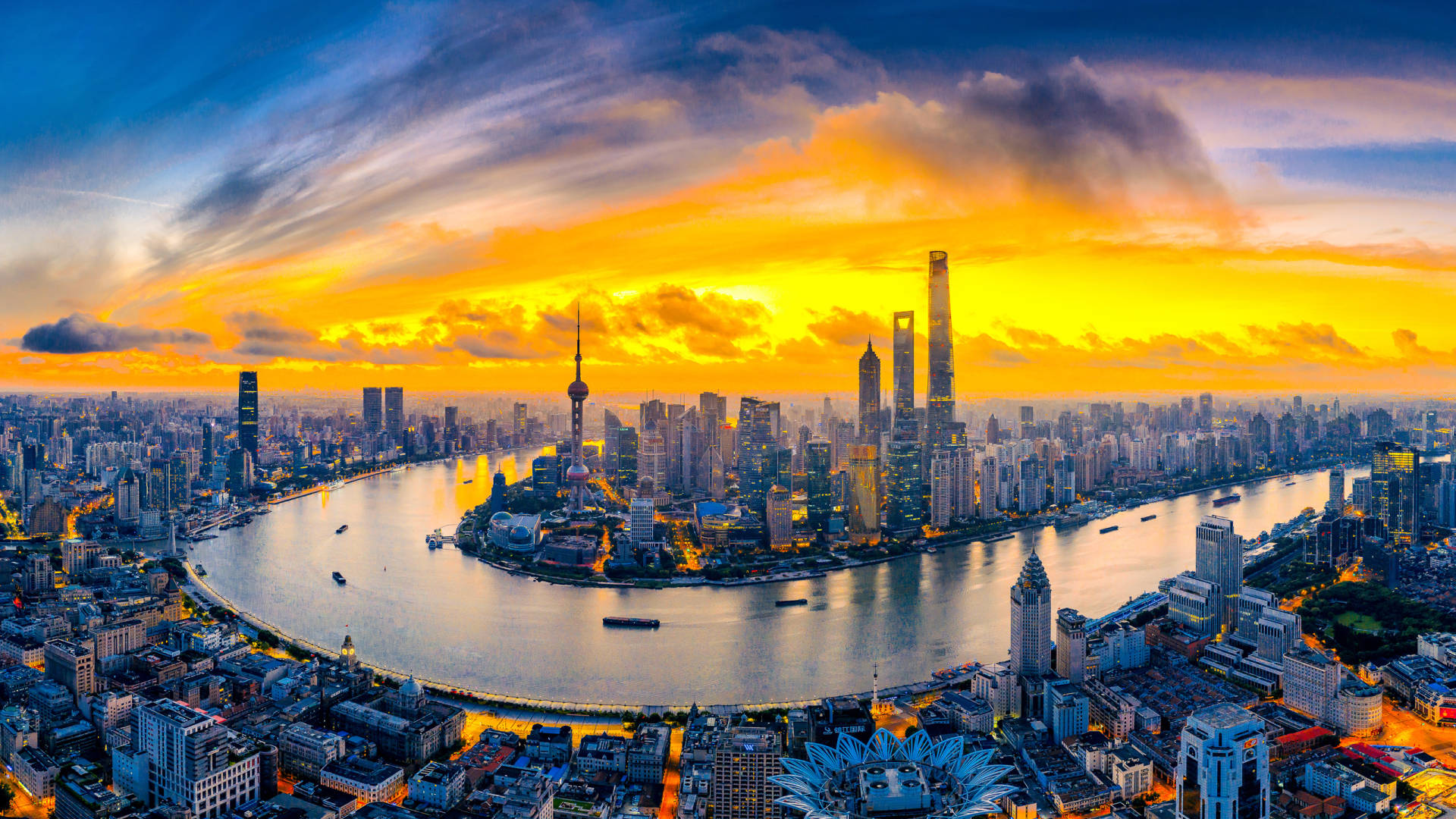
Shanghai, a name that resonates with modernity, ambition, and a rich tapestry of history, sits prominently on China’s map. Located on the east-central coast, where the Yangtze River empties into the East China Sea, this vibrant metropolis is not just a geographical landmark but a pulsating heart of China’s economic, financial, and cultural landscape. Its strategic location, coupled with its dynamic spirit, has propelled Shanghai to become a global powerhouse, seamlessly blending its colonial past with a forward-looking vision.
A Strategic Location: The Key to Shanghai’s Ascent
Shanghai’s geographical position has been pivotal in its rise to prominence. Situated at the mouth of the Yangtze River, the longest river in Asia and the third-longest in the world, Shanghai serves as a crucial gateway for trade and transportation throughout the Yangtze River Delta region, one of China’s most economically developed areas. This strategic location provides access to a vast network of waterways and facilitates the movement of goods and people to and from the interior of the country.
The city’s coastal location also offers direct access to international shipping lanes, making it a vital hub for global trade. The Port of Shanghai, consistently ranked as the world’s busiest container port, underscores the city’s importance in facilitating the flow of goods between China and the rest of the world. The Pudong International Airport, one of China’s busiest airports, further strengthens Shanghai’s connectivity to the global network, making it a crucial stopover for international travelers and businesses.
A History Etched in Transformation: From Fishing Village to Global City
Shanghai’s history is a story of transformation. From a small fishing village in the Song Dynasty to a thriving commercial center during the Qing Dynasty, Shanghai’s growth accelerated dramatically in the 19th century following the Opium Wars. These conflicts led to the establishment of foreign concessions, granting Western powers significant control over parts of the city. This period saw an influx of foreign investment and influence, shaping Shanghai’s architecture, culture, and economy.
The foreign concessions transformed Shanghai into a cosmopolitan city, attracting merchants, adventurers, and immigrants from all over the world. The Bund, a waterfront promenade lined with grand colonial-era buildings, stands as a testament to this era, showcasing the architectural styles of various European powers. This period, however, was also marked by social inequality and exploitation, with a stark contrast between the opulent lifestyles of the foreign elite and the impoverished conditions of many Chinese residents.
Following the communist revolution in 1949, Shanghai underwent significant changes as private enterprises were nationalized and the city’s focus shifted towards industrial production. However, the reforms initiated by Deng Xiaoping in the late 1970s marked a new era for Shanghai. In 1990, Pudong, an area east of the Huangpu River, was designated as a special economic zone, attracting massive foreign investment and transforming the skyline with modern skyscrapers and infrastructure. This marked the beginning of Shanghai’s resurgence as a global economic and financial center.
A Metropolis of Contrasts: Modernity Meets Tradition
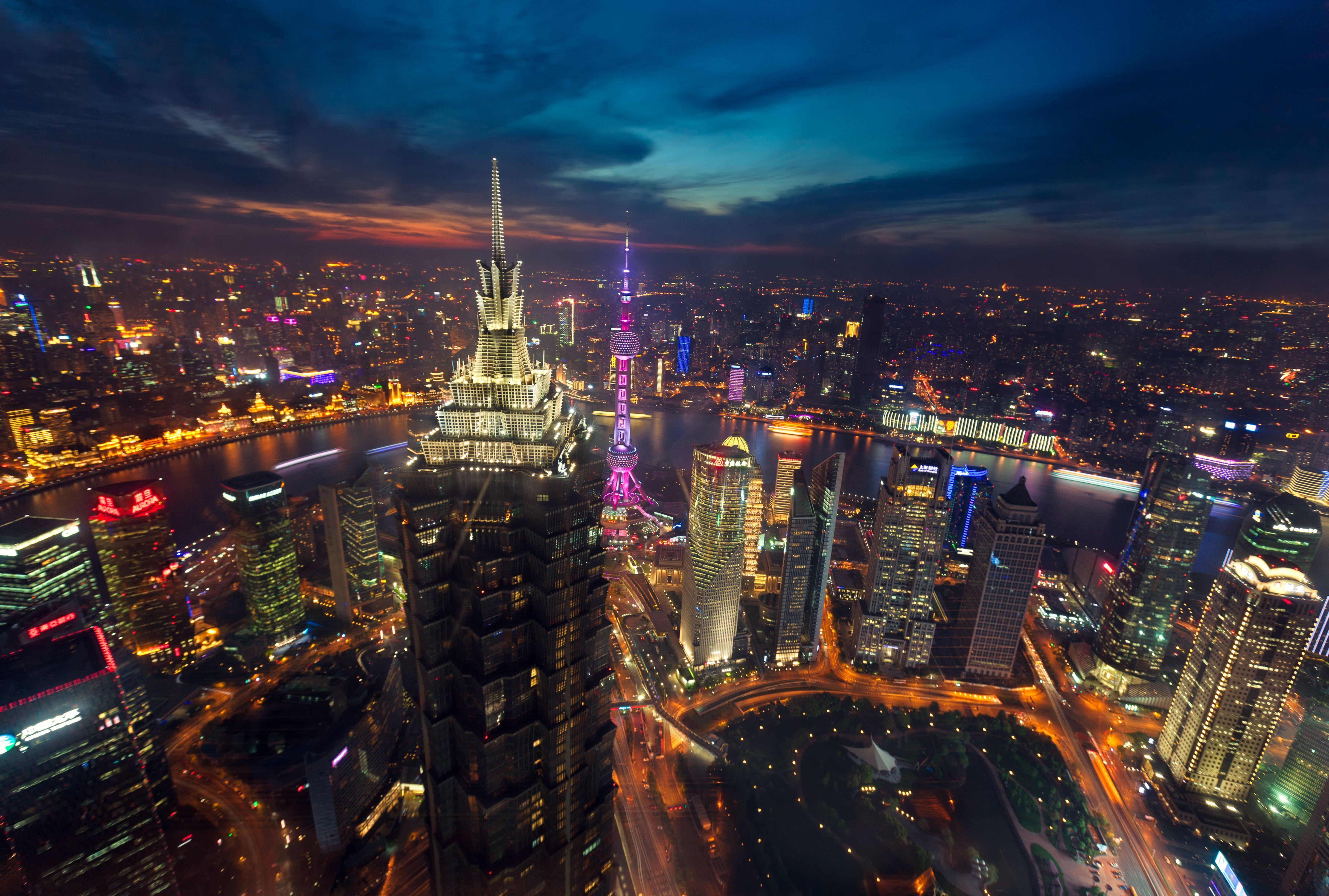
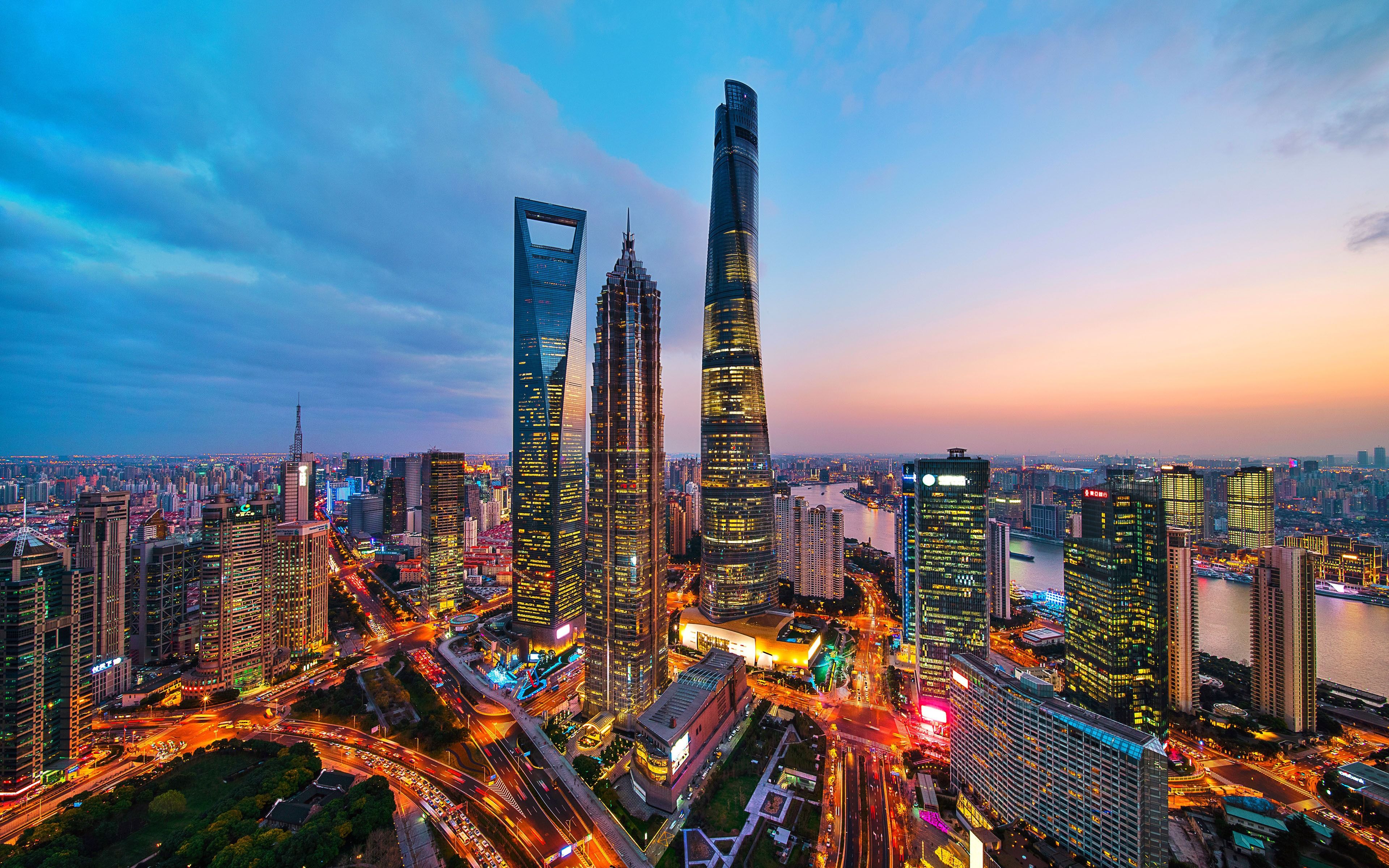
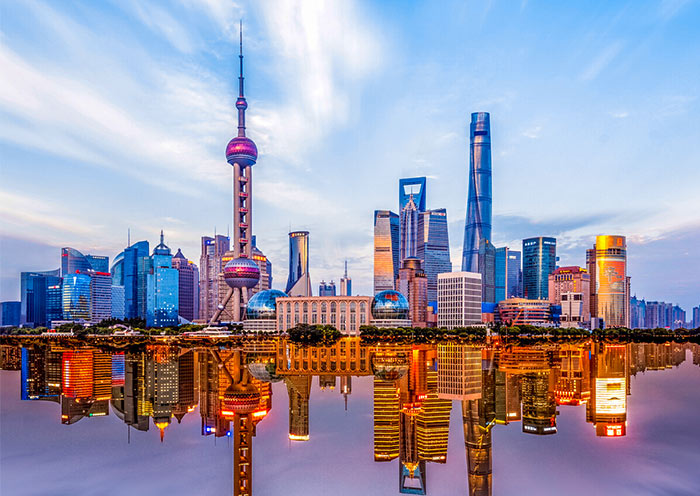
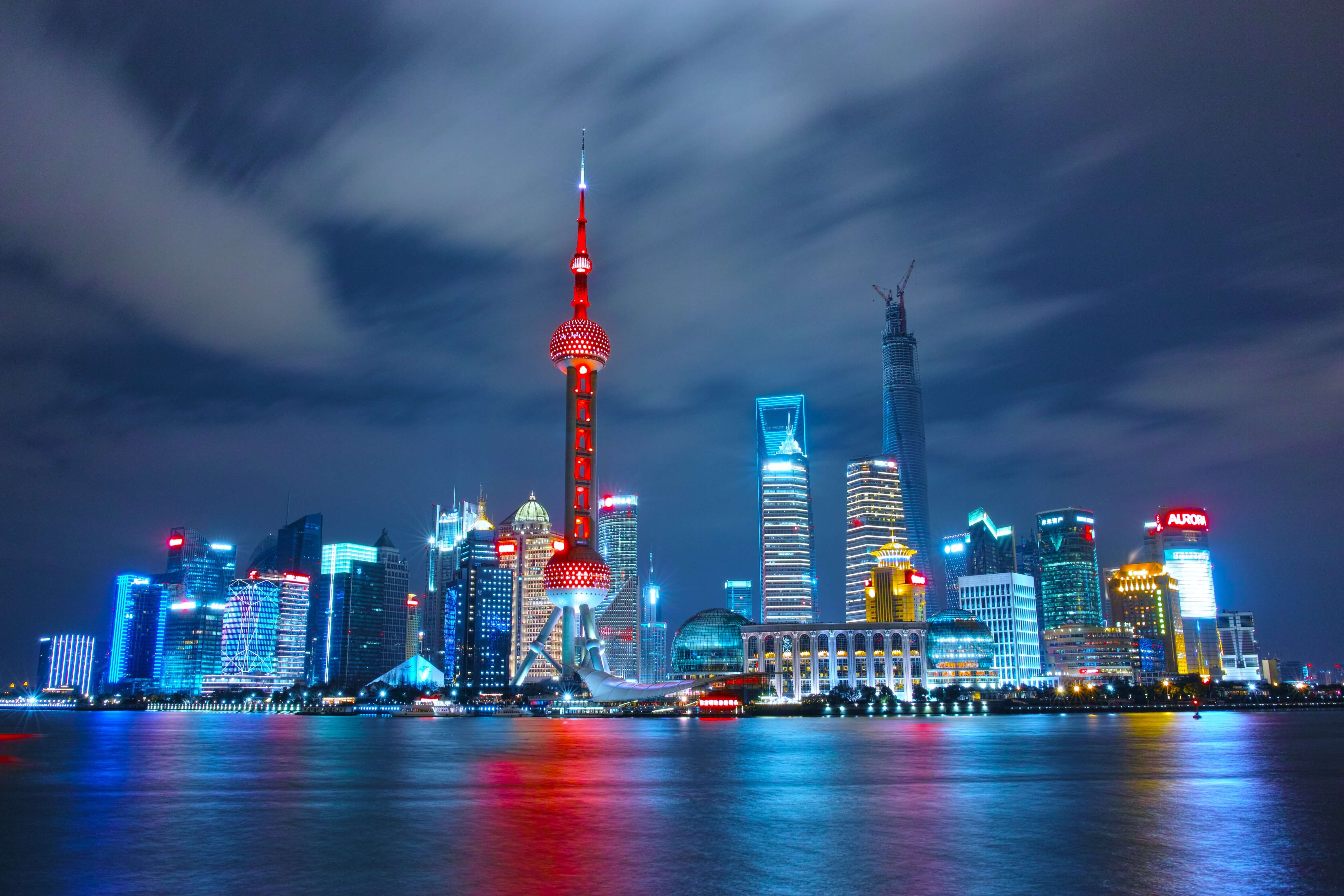
Shanghai today is a city of captivating contrasts, where gleaming skyscrapers stand alongside traditional shikumen houses, reflecting its unique blend of modernity and tradition. The Pudong skyline, dominated by iconic structures like the Shanghai Tower, the Shanghai World Financial Center, and the Oriental Pearl Tower, symbolizes Shanghai’s economic prowess and its ambition to be a global leader. These architectural marvels offer breathtaking panoramic views of the city and represent the pinnacle of modern design and engineering.
In contrast to the futuristic skyline of Pudong, the historic neighborhoods of Shanghai offer a glimpse into the city’s past. The French Concession, with its tree-lined streets, European-style villas, and charming cafes, evokes a sense of old-world charm. The Old City, with its traditional Chinese architecture, bustling markets, and serene Yu Garden, provides a vibrant cultural experience. The shikumen houses, a unique architectural style blending Western and Chinese elements, are a testament to Shanghai’s multicultural heritage.
A Hub of Innovation and Opportunity: Driving China’s Economic Growth
Shanghai’s economic significance extends far beyond its geographical borders. It is a major financial hub, hosting the Shanghai Stock Exchange, one of the largest stock exchanges in the world. The city is also a center for international trade, manufacturing, and technology, attracting multinational corporations and fostering innovation. Shanghai’s commitment to innovation is evident in its numerous research and development centers, universities, and high-tech industrial parks.
The city’s thriving economy provides opportunities for both local residents and international expatriates. Shanghai attracts talent from all over the world, creating a diverse and dynamic workforce. The city’s entrepreneurial spirit is palpable, with a growing number of startups and small businesses contributing to its economic vitality. Shanghai’s role as a driver of China’s economic growth is undeniable, and its influence extends across the country and beyond.
A Cultural Melting Pot: Embracing Diversity and Innovation
Shanghai’s cultural landscape is as diverse and dynamic as its economy. The city is home to a vibrant arts scene, with numerous museums, galleries, theaters, and performance venues. The Shanghai Museum houses a vast collection of Chinese art and artifacts, showcasing the country’s rich cultural heritage. The Shanghai Grand Theatre hosts world-class performances of opera, ballet, and symphony orchestra.
Shanghai’s culinary scene is equally diverse, offering a wide range of cuisines from around the world. From traditional Shanghainese dumplings to international gourmet dishes, the city caters to every palate. The street food scene is particularly vibrant, with vendors offering a variety of local delicacies. Shanghai’s cultural diversity is reflected in its architecture, its cuisine, its arts, and its people, making it a truly cosmopolitan city.
Challenges and the Future: Navigating Growth and Sustainability
Despite its impressive achievements, Shanghai faces several challenges. Rapid urbanization has led to environmental concerns, including air and water pollution. Traffic congestion is a common problem, and the cost of living is high. The city is actively addressing these challenges through sustainable development initiatives, investing in public transportation, and promoting green technologies.
Looking to the future, Shanghai aims to become a global center of innovation, technology, and sustainable development. The city is investing heavily in research and development, attracting top talent, and fostering a culture of innovation. Shanghai is also committed to improving its environmental sustainability, reducing pollution, and promoting green practices. With its strategic location, dynamic economy, and cosmopolitan culture, Shanghai is poised to play an even greater role on the global stage in the years to come.
In conclusion, Shanghai is more than just a city on China’s map; it’s a symbol of the nation’s rapid growth, a testament to its rich history, and a beacon of its future aspirations. It’s a dynamic and vibrant metropolis that continues to evolve, attracting people from all walks of life and contributing significantly to China’s economic and cultural landscape. As Shanghai continues to navigate the complexities of growth and sustainability, its strategic location, coupled with its unwavering spirit, ensures its continued prominence as a pearl on China’s map, reflecting the past and shaping the future.