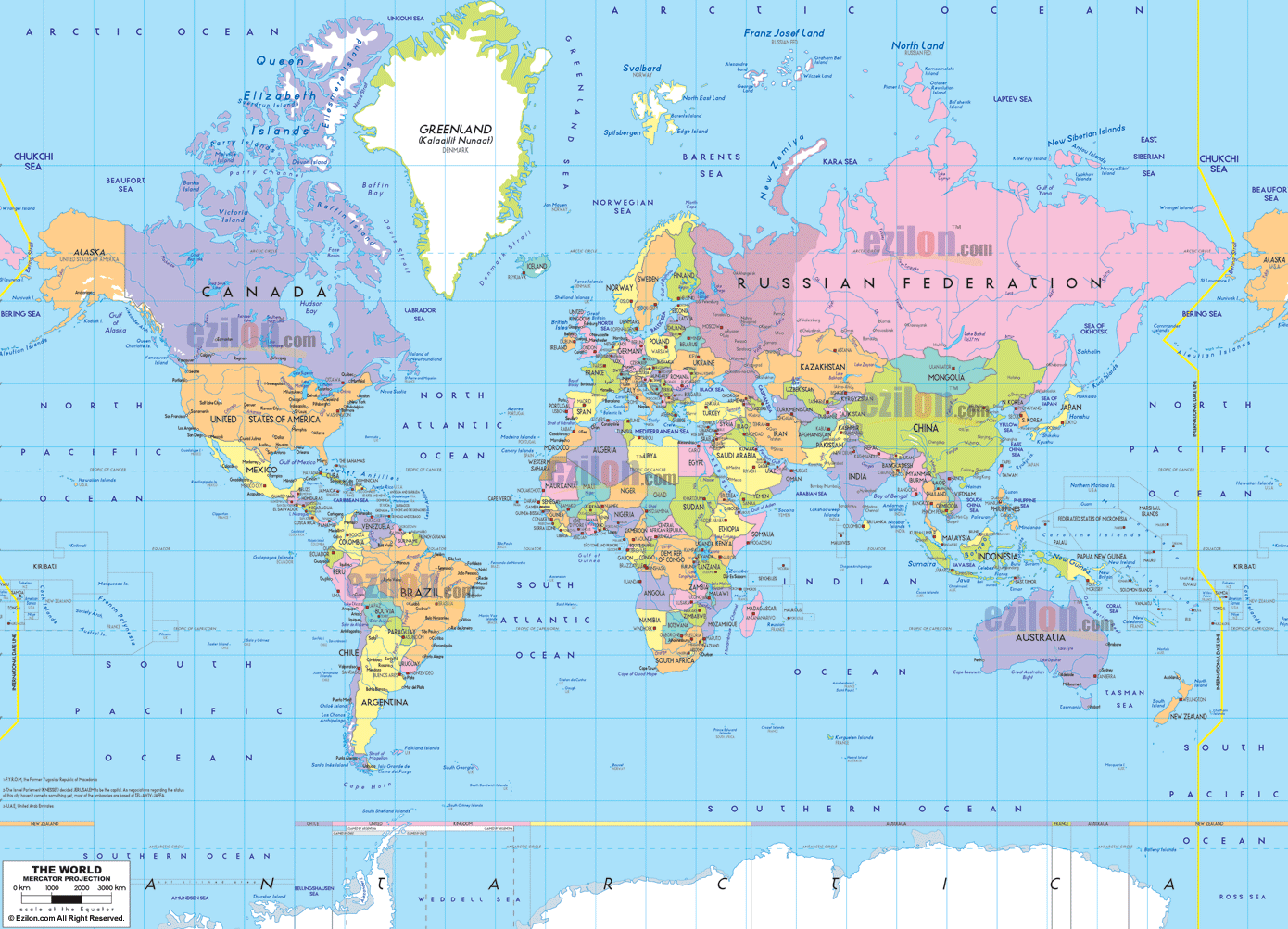
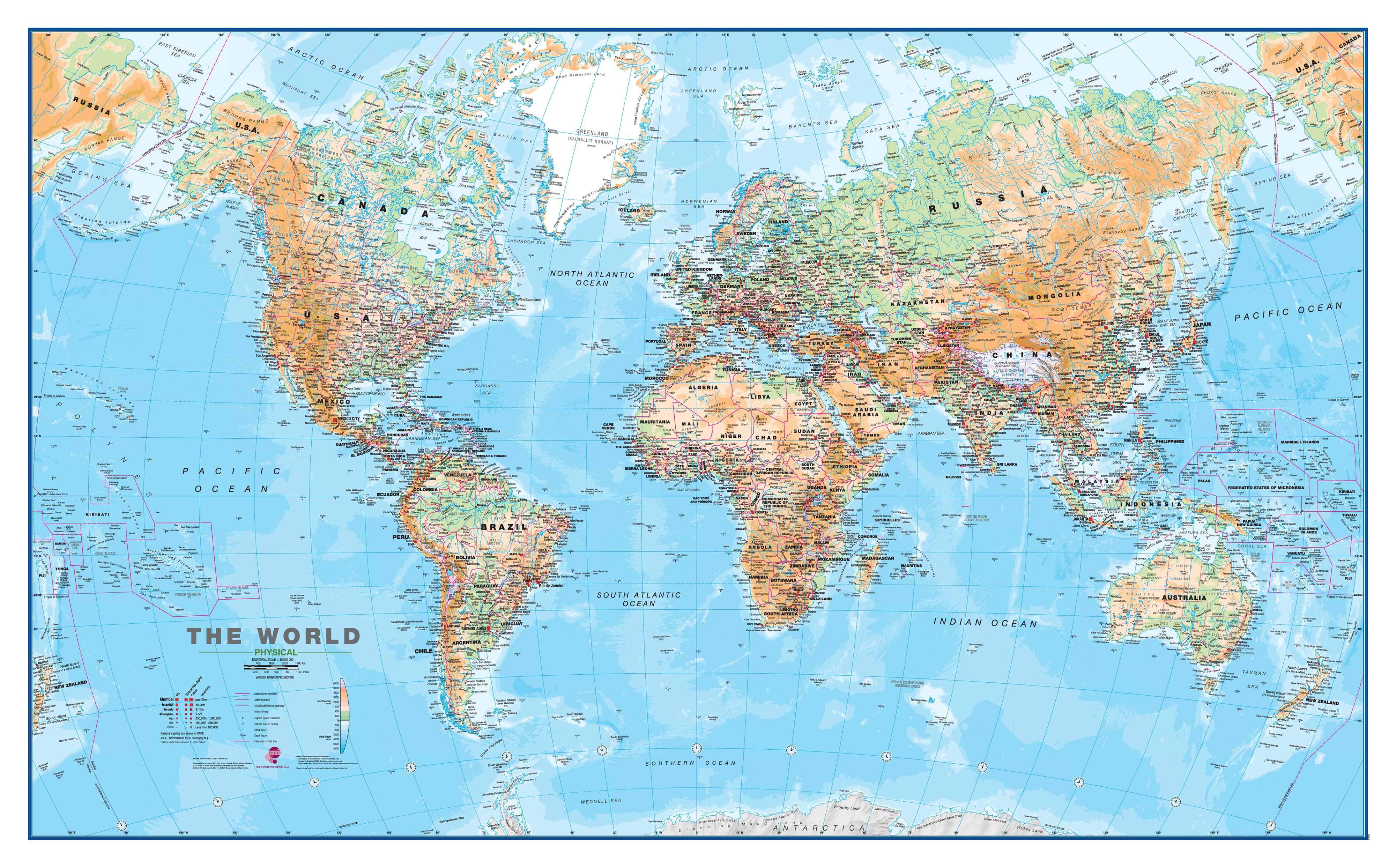
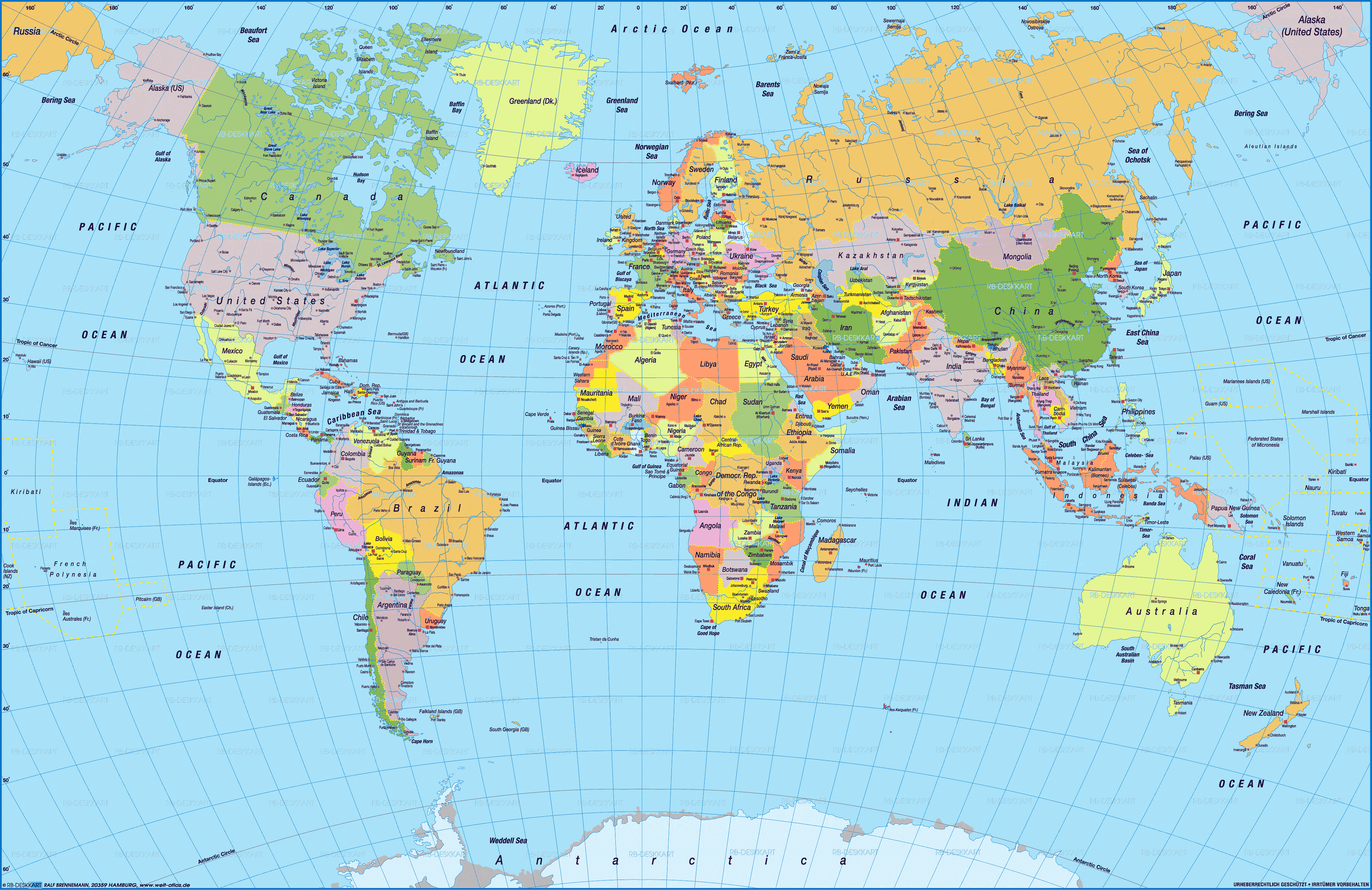
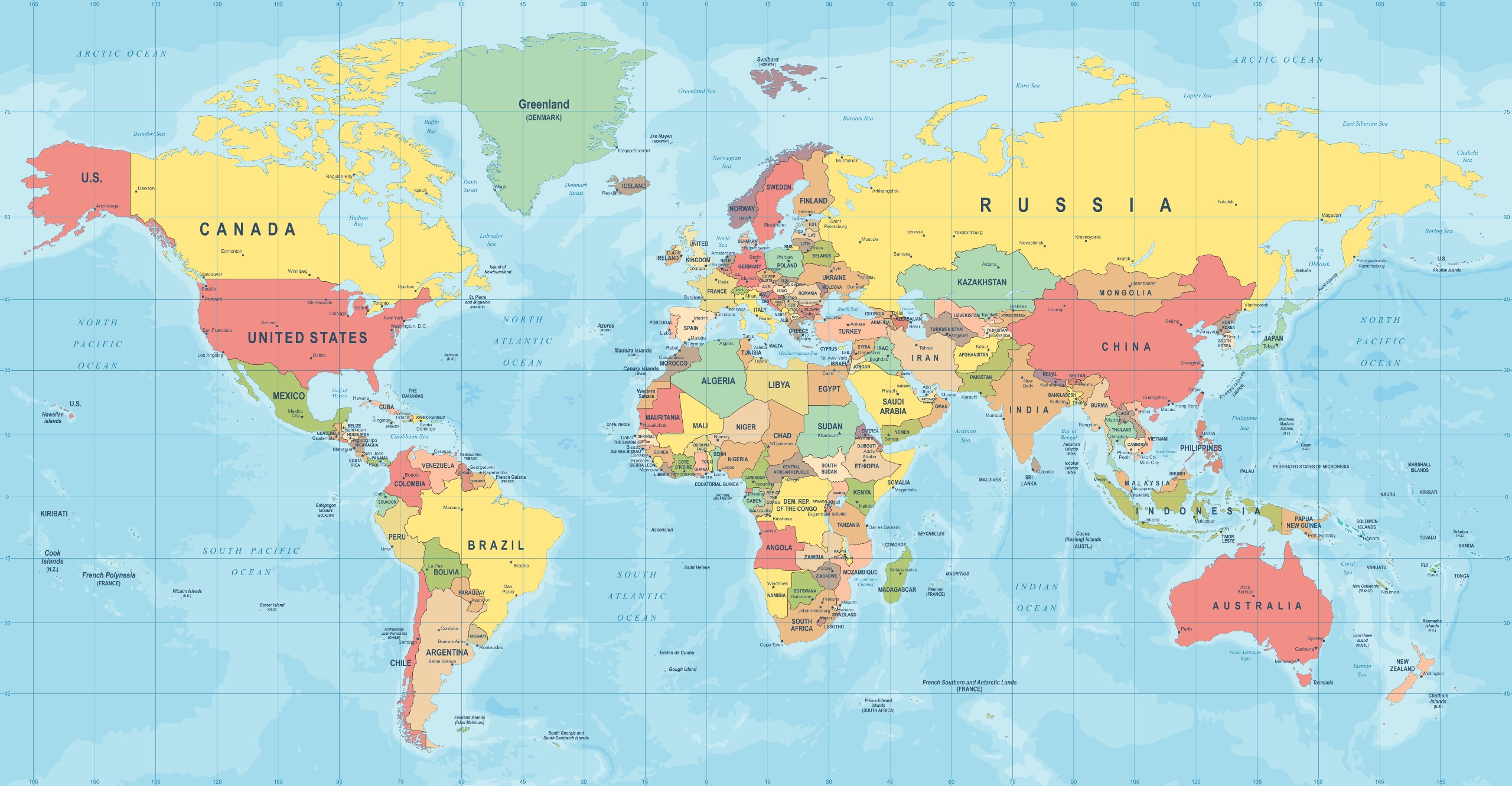
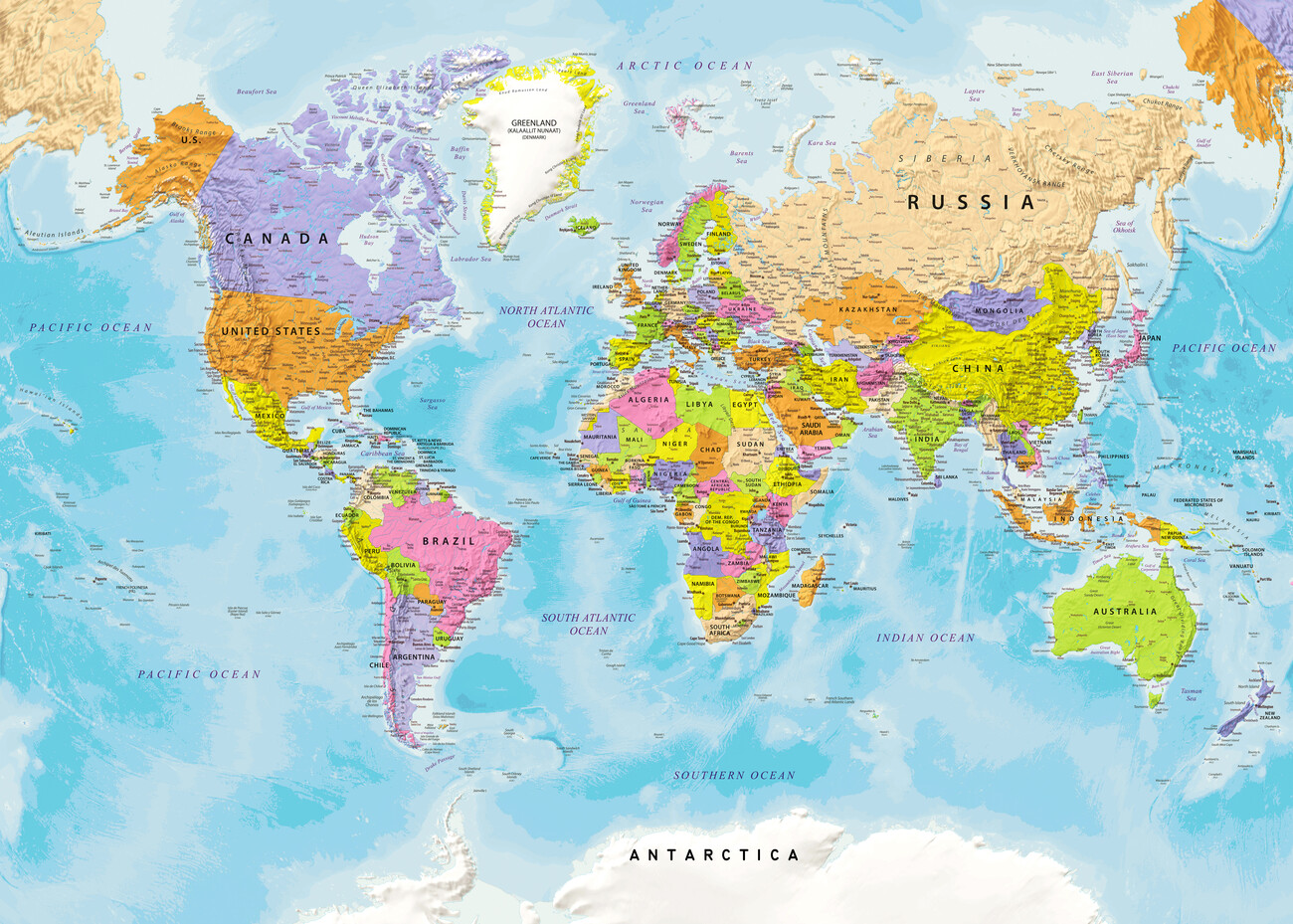
The Pacific Theater of World War II was a sprawling, geographically complex battlefield. Unlike the concentrated land battles of Europe, the Pacific war was fought across vast oceanic distances, dotted with thousands of islands, each strategically vital and brutally contested. Understanding the map of the Pacific during WWII is crucial to comprehending the conflict’s intricacies, the strategies employed by both sides, and the sheer scale of the human endeavor involved.
The Pre-War Landscape: Seeds of Conflict Sown on the Map
Before the attack on Pearl Harbor, the Pacific map was already a canvas painted with the colors of imperial ambition. Japan, driven by a desire for resource security and regional dominance, had steadily expanded its influence throughout the 1930s. Manchuria, Korea, and parts of China were already under Japanese control, forming a substantial base for future operations. This expansion fueled anxieties in the United States, which had a long-standing presence in the Philippines and maintained a significant naval base at Pearl Harbor in Hawaii.
The map reflected these simmering tensions. The US controlled strategically important territories like Guam and Wake Island, which served as crucial waypoints and potential forward operating bases. The British Empire held a vast network of colonies, including Malaya, Burma, and Australia, providing a vital lifeline for the Allied war effort. The Dutch East Indies (present-day Indonesia) were a treasure trove of resources, particularly oil, coveted by Japan.
This patchwork of competing interests and overlapping claims set the stage for a conflict that would reshape the geopolitical landscape of the Pacific. The map itself, with its immense distances and strategically significant islands, dictated the nature of the war.
The Initial Onslaught: Japan’s Conquest of the Western Pacific
The attack on Pearl Harbor in December 1941 dramatically altered the map. Japan launched a coordinated series of offensives, swiftly seizing key territories across the Western Pacific. The Philippines, Malaya, Singapore, Hong Kong, Guam, Wake Island, and Burma all fell to Japanese forces in a matter of months. The speed and efficiency of the Japanese advance stunned the Allies and left them reeling.
Examining the map during this period reveals the strategic logic behind Japan’s initial conquests. Control of the Philippines cut off crucial supply lines to Australia and threatened American interests in the region. The capture of Malaya and Singapore gave Japan access to vital rubber and tin resources, while control of the Dutch East Indies provided access to vast oil reserves, fueling their war machine. The islands of Guam and Wake Island, once American outposts, became strategic bases for Japanese operations further into the Pacific.
This phase of the war saw a rapid shift in territorial control, painting the map with the colors of Japanese conquest. The Allies, unprepared and under-resourced, were forced into a defensive posture, struggling to stem the tide of Japanese expansion.
The Turning Tide: From Coral Sea to Guadalcanal
The tide began to turn in 1942, as the Allies, bolstered by American industrial might, started to push back against Japanese aggression. The Battle of the Coral Sea in May 1942, fought primarily by aircraft carriers, prevented Japan from invading Port Moresby in New Guinea, a crucial strategic point that would have threatened Australia. While a tactical draw, the Coral Sea was a strategic victory for the Allies, marking the first time the Japanese advance had been stopped.
The Battle of Midway in June 1942 was a decisive turning point. The US Navy, having broken Japanese naval codes, ambushed the Japanese fleet, sinking four of their aircraft carriers. This crippling blow significantly weakened Japanese naval power and shifted the strategic initiative to the Allies.
The Guadalcanal Campaign, beginning in August 1942, marked the start of the long and bloody island-hopping campaign that would characterize the rest of the war. The fight for this small island in the Solomon Islands chain was a brutal test of endurance for both sides, fought in dense jungle and under constant threat of disease and starvation. Control of Guadalcanal was vital for controlling air and sea lanes in the region, and the Allies’ eventual victory in February 1943 solidified their foothold in the Pacific.
The map during this period shows a gradual but significant shift. The initial Japanese gains were being challenged, and the Allies were slowly but surely reclaiming territory. The battles of Coral Sea, Midway, and Guadalcanal demonstrated the importance of naval and air power in this vast oceanic theater.
Island Hopping: A Slow and Bloody Advance
The Allied strategy of "island hopping" involved selectively attacking and capturing strategically important islands while bypassing others. This approach aimed to cut off Japanese supply lines, weaken their defenses, and gradually move closer to the Japanese mainland.
The map during this phase of the war became a complex patchwork of Allied and Japanese control. Island after island – Tarawa, Saipan, Iwo Jima, Okinawa – became the scene of fierce and costly battles. Each island was heavily fortified, and Japanese soldiers were ordered to fight to the death, resulting in horrific casualties on both sides.
The strategic logic of island hopping is clearly visible on the map. By securing key islands, the Allies established airbases that allowed them to bomb Japanese targets and support further advances. The capture of the Mariana Islands, for example, put Japan within range of American B-29 bombers, allowing for devastating air raids on Japanese cities.
The Final Push: Reaching the Japanese Homeland
By 1945, the Allies were closing in on the Japanese mainland. The capture of Iwo Jima and Okinawa, two islands located close to Japan, provided staging areas for a potential invasion. However, the prospect of invading Japan, with its fanatical defense and potential for massive casualties, was daunting.
The map during this period reflects the immense pressure on Japan. Its supply lines were severely disrupted, its cities were being heavily bombed, and its military resources were dwindling. The Soviet Union’s declaration of war against Japan in August 1945 further weakened its position.
The Atomic Bomb and the End of the War
The use of atomic bombs on Hiroshima and Nagasaki in August 1945 dramatically changed the course of the war. The devastation caused by these weapons forced Japan to surrender, bringing an end to the conflict in the Pacific.
The map at the end of the war showed a vastly different picture from the beginning. Japan had lost its vast empire and was under Allied occupation. The United States had emerged as the dominant power in the Pacific, controlling strategically important territories and wielding immense influence.
Legacy on the Map: A New Geopolitical Order
The map of the Pacific after WWII reflected a new geopolitical order. The collapse of Japanese imperialism led to the independence of many former colonies. The United States solidified its presence in the region, playing a major role in shaping the political and economic landscape. The Cold War would further complicate the map, with the US and the Soviet Union vying for influence in the region.
Understanding the map of the Pacific during WWII is essential for comprehending the complexities of the conflict. It reveals the strategic importance of geography, the impact of technology on warfare, and the human cost of imperial ambition. The shifting canvas of the Pacific during WWII serves as a stark reminder of the devastating consequences of war and the enduring importance of understanding the world’s geopolitical landscape. The lessons learned from this brutal conflict continue to shape the Pacific region and the world today.